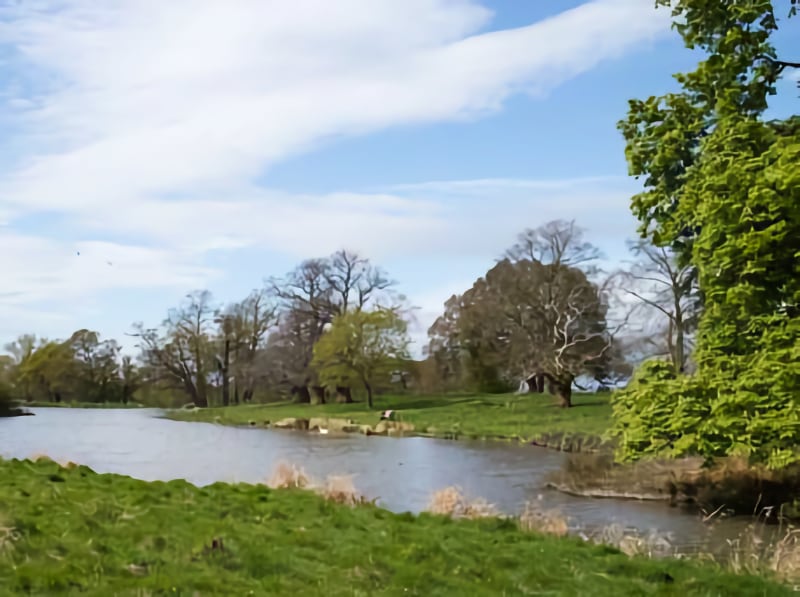
This is a great time of year for a cinema trip – inclement weather means you don’t always want to be outside and the awards season brings with it some big releases that are destined for greatness. This year is no different.
One of those films this year is the adaptation of Maggie O’Farrell’s bestseller, Hamnet. Telling the story of how Agnes and William Shakespeare grapple with the grief of losing their son to the plague in 16th century England, this film has already pulled in some Golden Globes and has been nominated for Academy Awards. It’s a beautiful film – the storyline, the way it’s been filmed and where it’s been filmed.
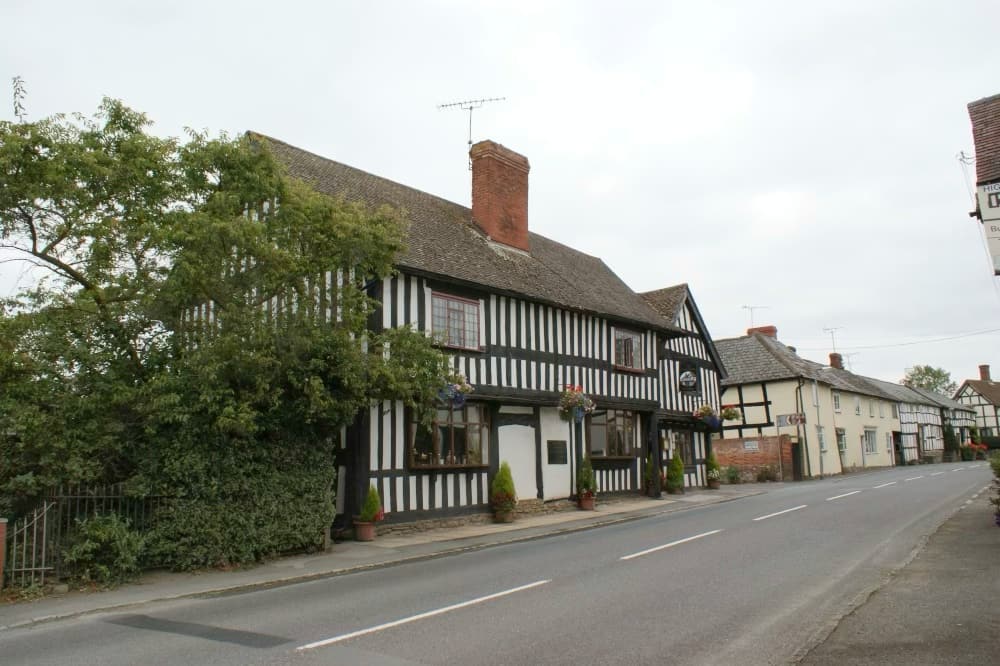
Whilst set in Stratford-upon-Avon, Warwickshire and London, locations were used across England and Wales. Whilst Anne Hathaway’s Cottage (or Agnes in the case of this film) remains in Stratford-upon-Avon today, it wasn’t practical to use for filming so instead the town of Weobley in Herefordshire made a fine stand in as it is one of the best preserved Tudor villages in the country. It’s a town the Industrial revolution seems to have passed by, making you feel as though you’ve stepped into another world when you visit today.
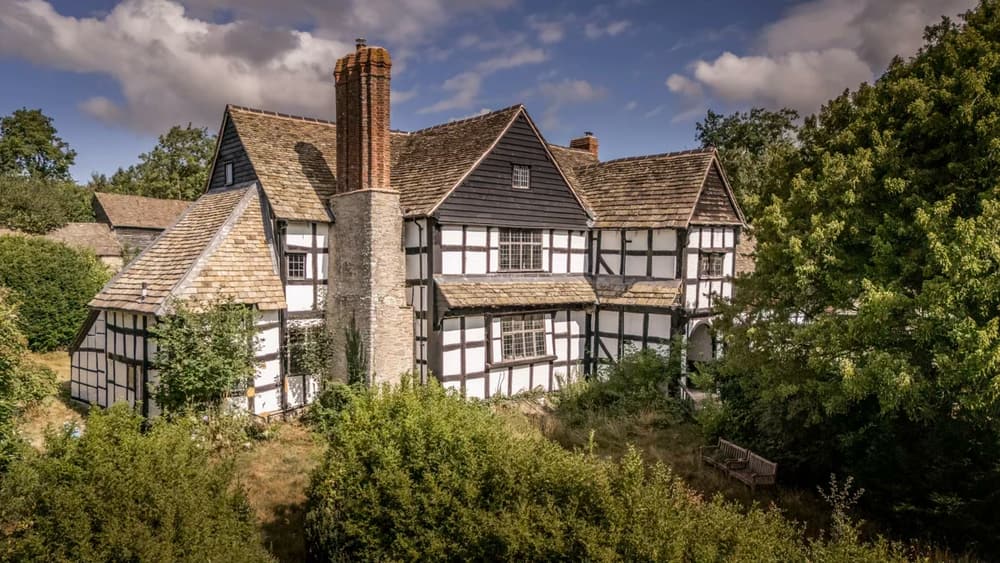
For the interior of Agnes’s home, the beautiful timber framed Cwmmau Farmhouse, managed by the National Trust in Whitney-on-Wye was used as Hewlands Farm. It’s a place where you know the beams hold stories from years gone by and you could well imagine that Agnes could have lived in. Nearby a Site of Special Scientific Interest due to its deciduous woodland and being home to threatened plants such as devil’s-bit scabious and tormentil fits perfectly with Agnes’s role of a healer, herbalist and mystic. It’s fair to say that the woodland in the film is more than just a location, but more of a character as it embraces Agnes during childbirth.
London also plays a part in the film, just as it did in William Shakespeare’s life. The Globe Theatre, on London’s Southbank, wasn’t actually used for the filming of Hamnet – but a trip here is the closest you’ll get to experiencing what it would have been like to go to the theatre during Shakespeare’s time. Whether you indulge in a seat in one of the circles, or join what would have been the peasants by standing in the pit – this is an experience no theatre lover should miss!