

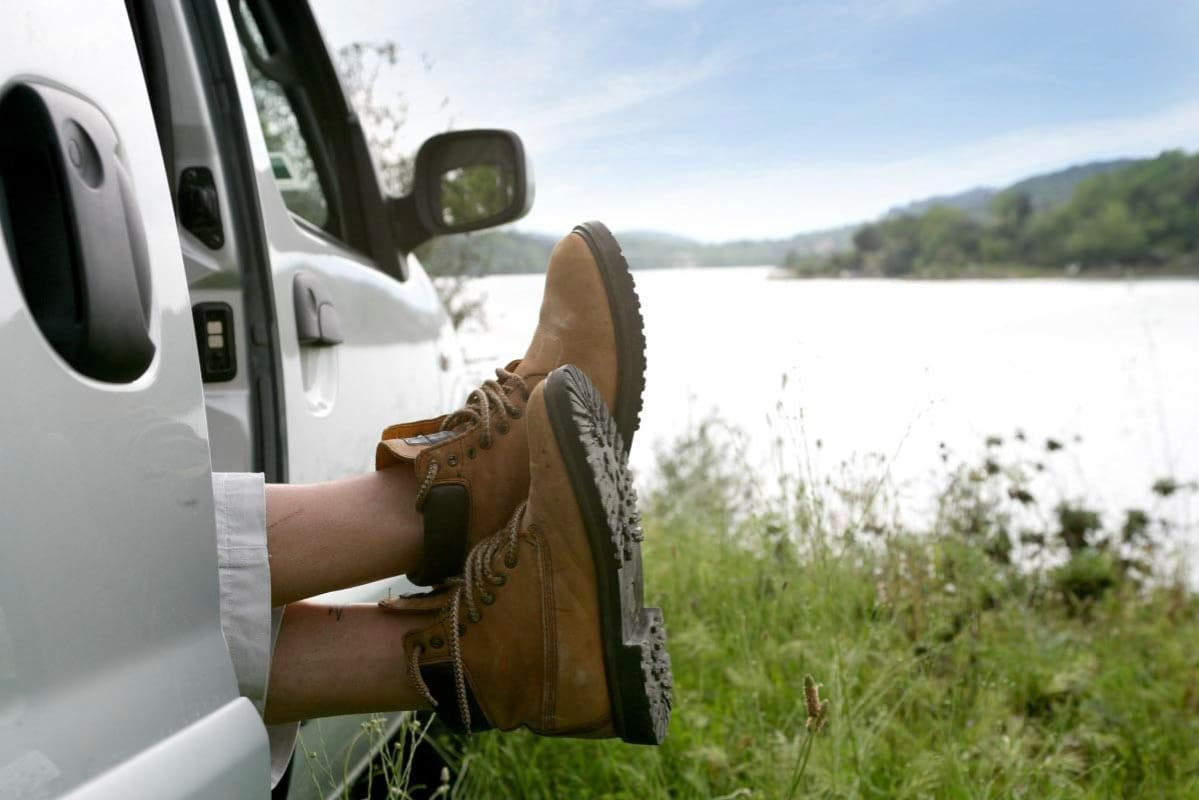
The human body is a marvellous thing. Every time you take a ramble through the countryside, for example, your body is able to withstand so much. All the varied terrains, subtle gradients, sustained movements and numerous twists and turns all involve intricate parts of the body; our joints, bones, muscles, and nerves. In turn, the more you exercise, the more strength and cardiovascular fitness you build.
When it comes to walking, wonderful as it is and an action that many of us take for granted, it primarily works your body in one plane of movement. It’s a process that involves repetitive forward motions, and if done strenuously and regularly, requires thoughtful recovery management. That doesn’t necessarily mean collapsing on the sofa (even though there’s certainly a time for that), but rather engaging your body in gentle, complementary movements that support the progress you’ve made by hiking, trailing, and the like. Think of it as a way to keep your body, and in particular your joints, happy, balanced and well-rested for your next outdoor adventure.
Why joint mobility matters for walkers
Walking is an activity that strengthens bones and muscles whilst being wonderfully kind to your joints. That said, it’s inherently linear in terms of motion, meaning that your hips, spine and shoulders don’t always get the full rotational movement they need. This can, over time, lead to stiffness particularly as we get older.
This is where low-impact activities focussing on rotation and lateral movement come in handy, acting as vital recovery mechanisms to your long-distance hiking and trailing routines. By doing these, you’ll maintain more flexibility, balance and better resistance to injuries when navigating uneven and slippery hillsides, pathways and woodlands.
Joint-friendly recovery activities
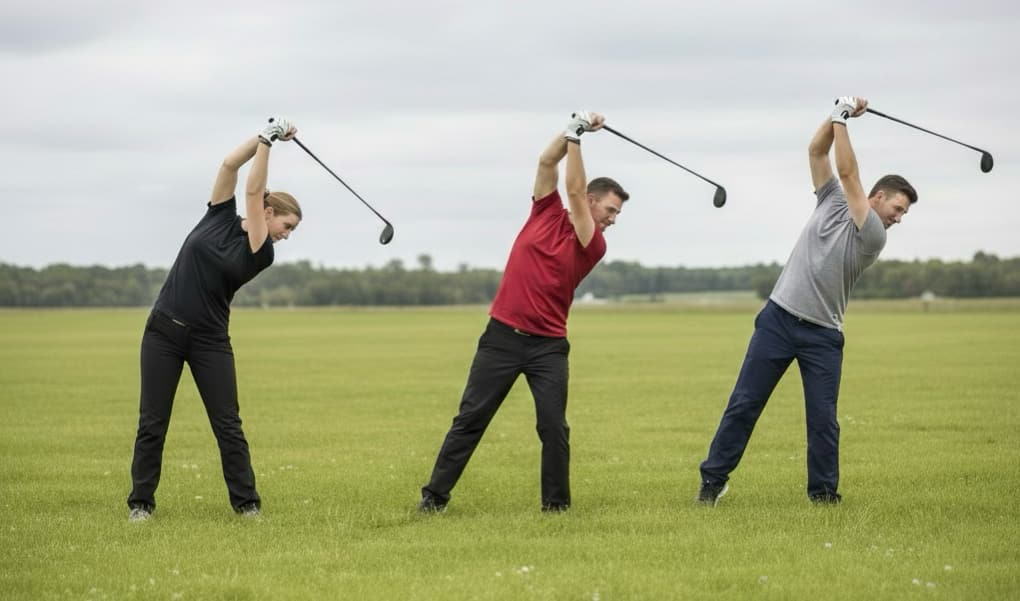
- Golf – No, that’s not a typo. The gentle, controlled movements in golf practice provide the exact kind of rotational mobility you need for comfort while walking. The golf swing engages your core, encourages shoulder rotation and involves coordination and balance, naturally mobilising joints while complementing a steady pace. As noted in Golf Swing Systems’ specialised mobility exercise guide, simple exercises like resistance band rotations and medicine ball throws can build rotational strength that benefit your overall joint health. The focus on posture and controlled movements make it valuable for spine mobility too.
- Swimming – Water-based activities are tremendously kind to our joints, bones and muscles. The buoyancy reduces excess strain and stress, with gentle resistance requiring us to engage every part of our bodies. Wild swimming in Britain’s lakes and coastal waters is one of the most enriching pastimes, although maybe not exactly at this time of year. If you suffer from chronic joint or muscular pain, you’ll be amazed at how beneficial and kind swimming and water walking can be at recovery and maintaining core strength.
- Yoga and tai chi – Both these activities emphasise balance, flexibility and controlled movement. They’re ideal for maintaining a full range of motion in hips, shoulders and legs, with chair yoga adaptations making it more accessible to those with severe or chronic joint discomfort. Stretching is particularly important for walkers. Yahoo! Life recommends dynamic moves like hip circles, toe touches, knee hugs, together with cool down exercises such as deep squats, runner’s lunges and cat-cow stretches. Yoga is naturally complementary, counteracting the strain of a repetitive forward movement by stretching the body in multiple directions.
- Gentle cycling – Cycling on flat roads provides a wealth of cardiovascular advantages without excessively straining or stressing muscles. The circular motion of pedalling helps knee mobility, while holding the handlebars builds balance and composure. The Arthritis Foundation emphasises how cycling is great for maintaining joint health and full range of motion, whether done indoors or outdoors, which illustrates its importance as a recovery aid for keen hikers.
Building your personal recovery routine
The key to finding a successful and achievable recovery plan is to include activities that you enjoy and that naturally fit your routine and lifestyle. Recovery doesn’t have to feel like a chore.
The simplest and most effective solution is to start with short sessions, say, 15 to 20 minutes, twice a week. Listen to your body and avoid anything that causes discomfort or pain. Variety is also important. Go for a hike on a Monday evening after work, with some gentle yoga stretches afterwards, go for a swim on a Wednesday and engage in some tai chi after strength-building sessions on Thursday and Friday, all before a long-distance weekend walk somewhere. Varying your routine keeps things interesting while giving the body multi-directional movement.
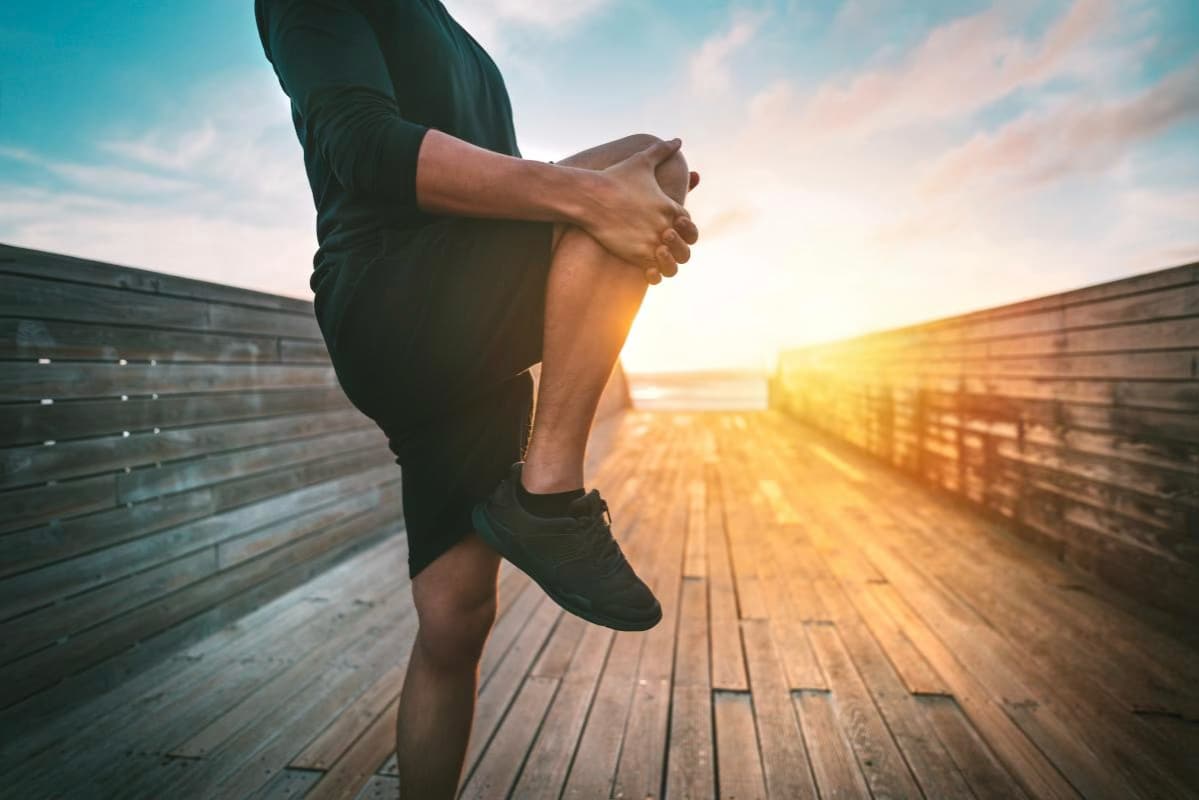
Remember to warm up before any activity, even gentle ones. A few minutes of light movement prepares your joints and reduces injury risk. Your body needs time to adapt to new patterns, so don’t rush into intense activities; instead, progress gradually and consistently. Also never overlook the importance of supportive footwear for any weight-bearing activities, much like you would for walking. If you have existing joint issues, consider consulting your GP or a physiotherapist, who can recommend specific exercises tailored to your needs.
The joy of movement
Whether you’re navigating the South West Coast Path or exploring your local countryside, walking offers a wealth of physical and mental benefits. Complementing it with activities that encourage rotation, movement variety and flexibility helps you maintain a steady level of joint mobility that keeps you active for years to come. While the goal isn’t specifically to master one particular activity, it’s more about giving your body the movement it needs to stay balanced, healthy and ready for whatever path you explore next.
For more insights into balancing movement, recovery and overall wellness, Julia Bradbury’s new book ‘Hack Yourself Healthy’ is packed with tips on how to harness the power of the outdoors to revolutionise your physical and mental wellbeing, and keep you moving for life.
Author: Annie Button