

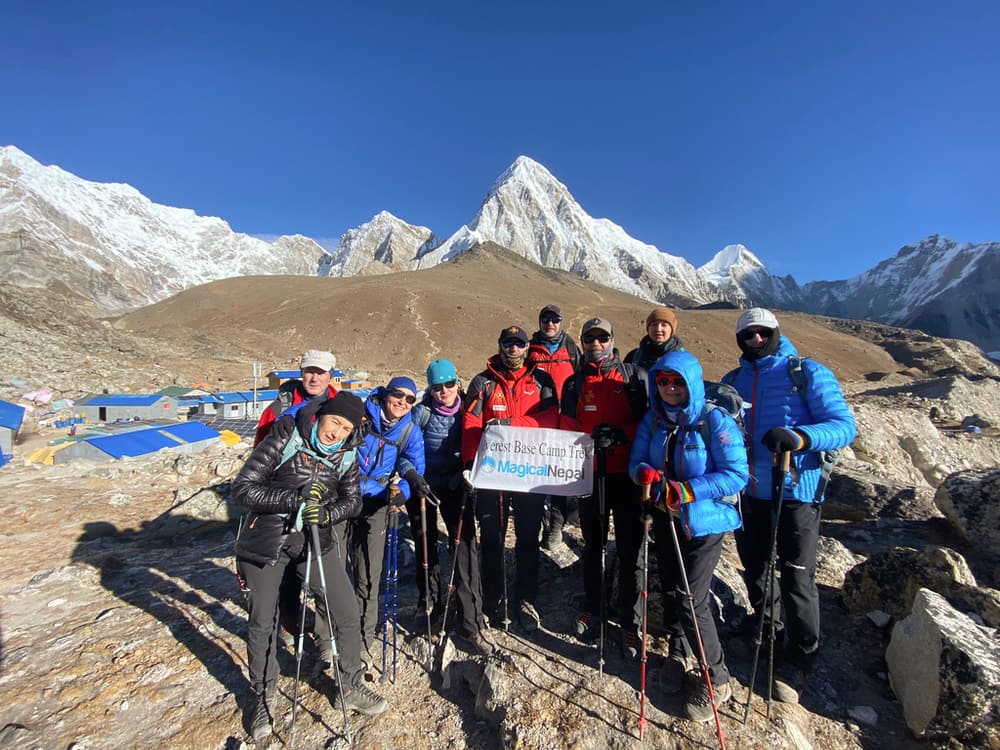
The World’s Highest Trek Teaches Us a Thing or Two About the Great Outdoors
For many of us outdoor enthusiasts, walking isn’t just a form of exercise – it’s a way to process the world and really take it all in. The long trails, the steady breathing, the constantly changing landscapes… A few walks capture that feeling better than the trek to Everest Base Camp.
Despite being a global celebrity amongst treks, the Everest Base Camp trek is really about taking a long, leisurely stroll through valleys, forests, high-altitude villages – and some truly stunning open mountain terrain. It’s a journey that’s all about patience, resilience and respect for nature – the kind of qualities that get tested every step of the way.
For those of us who love nothing more than tackling multi-day routes whether that’s in the UK hills or somewhere further afield, Everest Base Camp has a lot to teach us about getting the most out of the outdoors.
Why Everest Base Camp is Really a Walk, Not a Climb
One of the biggest misconceptions about Everest Base Camp is that you need to be a seasoned mountaineer to take it on. But the truth is, it’s just a long, sustained trek to a max altitude of 5,364 meters (17,598 feet) without any of the technical climbing, ropes, ice axes or other kit you might associate with serious climbing.
The challenge comes from a few key factors:
- Altitude – and the way it plays havoc with your body
- The daily distance – and getting your feet (and your body) to do the same every day
- The cold and the weather – and being prepared for both
- Mental endurance – especially once you get above 3,000 meters (9,842 feet)
For experienced walkers, the basic mechanics of putting one foot in front of the other are pretty familiar – but as you go higher, the environment starts to demand a lot more in the way of awareness, restraint and attention to detail. That’s a lesson many of us seasoned hikers have learned the hard way as soon as we hit high altitude.
Walking at Altitude: Slow and Steady Really Does Win the Day
At around 3,000 meters (9,842 feet), you start to feel the effects of the lower oxygen levels in your body – even if you’re super fit, you’ll probably start to notice:
- Your breath gets a lot shorter on even the gentlest of climbs
- You start to feel the effects of fatigue a lot earlier in the day
- Your body takes a lot longer to recover from stops and breaks
This is where Everest Base Camp teaches you one of the most valuable lessons you can learn about the outdoors: pace matters a lot more than strength. Experienced Himalayan trekkers know that it’s not about rushing ahead, it’s about moving deliberately and slowly – and that’s a lesson that transfers beautifully to long-distance walking wherever you are in the world.
Daily Life on the Trail: Where Simplicity is the Key to Happiness
Days on the Everest Base Camp trek are pretty straightforward:
- Wake up before dawn and get moving with the sun
- Walk for 4-6 hours
- Stop a lot
- Eat simple, comforting food
- Get to bed early
It’s a stripped-back routine that gets back to what walking in the great outdoors is all about. Without the noise and distractions of modern life, you start to pay attention to the things that really matter: the weather, the terrain, whether you’re hydrated and energized – the fundamentals of walking that are all too easy to forget when you’re stuck in the city.
For those of us who love nothing more than tackling multi-day routes like the West Highland Way or the Coast-to-Coast route, this simplicity is music to the ears – especially with a backdrop of some of the most stunning landscapes on the planet.
How Everest Compares to Other Himalayan Treks
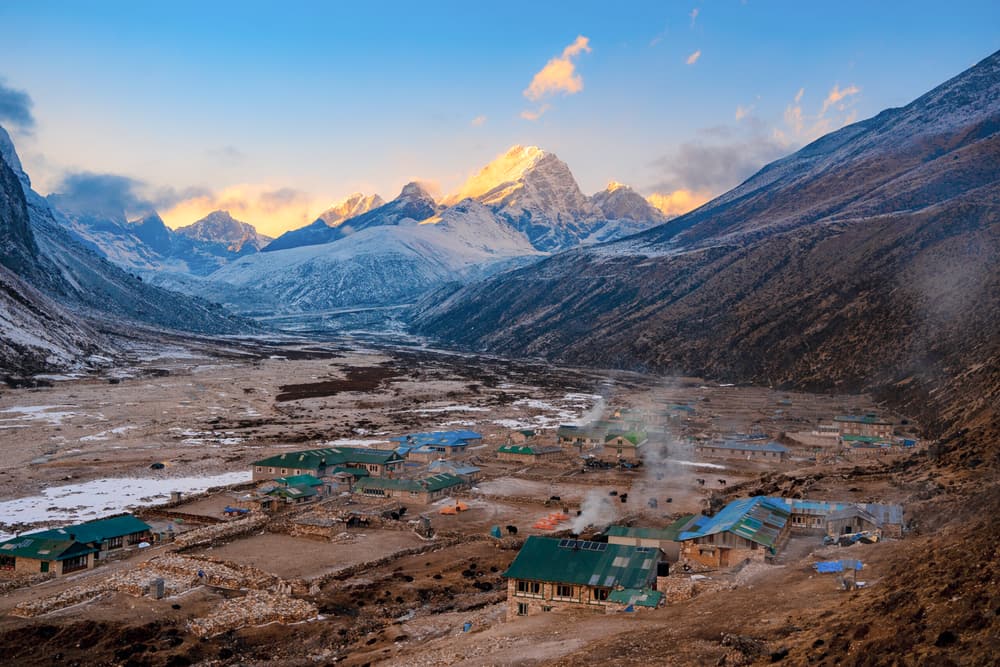
Everest Base Camp isn’t the only long-distance trek around – and it’s worth taking a look at how it stacks up against other options like the Annapurna Circuit Trek.
The Annapurna Circuit is often described as more varied in terrain, with a mix of subtropical valleys, high desert and alpine environments and – of course – the famous Thorong La Pass at 5,416 meters (17,769 feet).
But what really sets it apart from Everest Base Camp is the dramatic elevation change – whereas Everest Base Camp tends to be all about being out at high altitude for long periods of time, Annapurna is more about the ups and downs.
Both routes, of course, require a similar level of patience, preparation and respect for the conditions – qualities that are at the heart of what makes the great outdoors so appealing.
Lessons From Everest That Apply Everywhere
Everest Base Camp teaches us a lot of valuable lessons that apply to all serious walking trips – whether that’s in the UK, Europe or somewhere further afield:
- Layering matters a lot more than brand names – what you wear can make all the difference between a comfortable day out and a miserable one
- Weather awareness is a skill, not an app – being able to read the signs and anticipate the weather can be a lifesaver
- Nutrition and hydration have a huge impact on decision-making – when you’re feeling hungry and tired, you’re more likely to take risks and make bad decisions
- Listening to your body is not weakness – in fact, it’s a vital part of being a responsible and safe walker
These are the same skills that keep walkers safe on exposed ridges in the UK, winter trails in Europe or remote routes worldwide.
Sustainability and Respect in High Places
As more and more walkers head to the Everest region, it’s become increasingly important that we all take responsibility for our impact on the environment and the local communities.
The good news is that the region is making great strides in terms of waste reduction, renewable energy and trail management – but there’s still a lot we can do as walkers to make a positive difference.
So, what can you do?
- Take a refillable water bottle with you
- Avoid unnecessary packaging
- Be respectful of local communities and customs
- Choose operators and accommodations that support conservation
It’s all about intention and awareness – and these are values that many of us outdoor enthusiasts are already living by every time we head out into the wild.
Why Everest Base Camp is Such a Magnet for Walkers
For those of us who love walking, Everest Base Camp isn’t just about ticking off a global bucket-list destination – it’s about the journey, not the destination. It’s about experiencing what sustained movement through wild landscapes can teach us – that:
- Progress doesn’t need to be fast – in fact, it’s often better to slow down and enjoy the ride
- Strength often looks like restraint, not bravado – being strong means knowing when to hold back and take it easy
- The outdoors rewards consistency, not a mad dash to get to the end – it’s all about the journey, not the destination
These are the kind of lessons that stay with you long after you’ve finished your trek – and they’re lessons that can be applied to all sorts of adventures, from walking in the hills to everyday life.
Conclusion:
Walking to Everest Base Camp isn’t a grueling achievement only charismatic pro-athletes tackle – it’s a downright humbling & deeply personal journey that just happens to capture the values a lot of outdoor enthusiasts already live by: patience, humility, built-in curiosity & genuine respect for the natural world.
Whether you’re an outdoorsy type who splits their weekends on our UK long distance paths or bagging the high Himalayan trails, the basic rules don’t really change. Keep walking steadily, get your prep right, pay close attention & let the scenery do the rest.
Author: Samita Maharjan