

Walking Safety
Spring for many heralds the start of the walking season. With longer days and warmer weather, many feel more compelled to get off the sofa and step outside for a few hours or longer to take a walk. It might be that you’re following a familiar route that you’ve walked before or stepping out to explore somewhere new – regardless of where you’re going … your safety should always come first. That’s why we’re here with our safety guide.
Check the forecast
It may be sunny and warm at the bottom of a hill or mountain, but that doesn’t mean it will be as you reach the summit. Check the forecast before you go and make sure you have layers with you for higher altitudes where the temperature will drop.
Leave a note
Let someone know where you are planning to go, the route you’re planning to take and when you expect to be back (and let them know when you are back). If you don’t return on time – they are able to raise the alarm if necessary and can direct emergency services and mountain rescue teams to the approximate location that you planned to be.
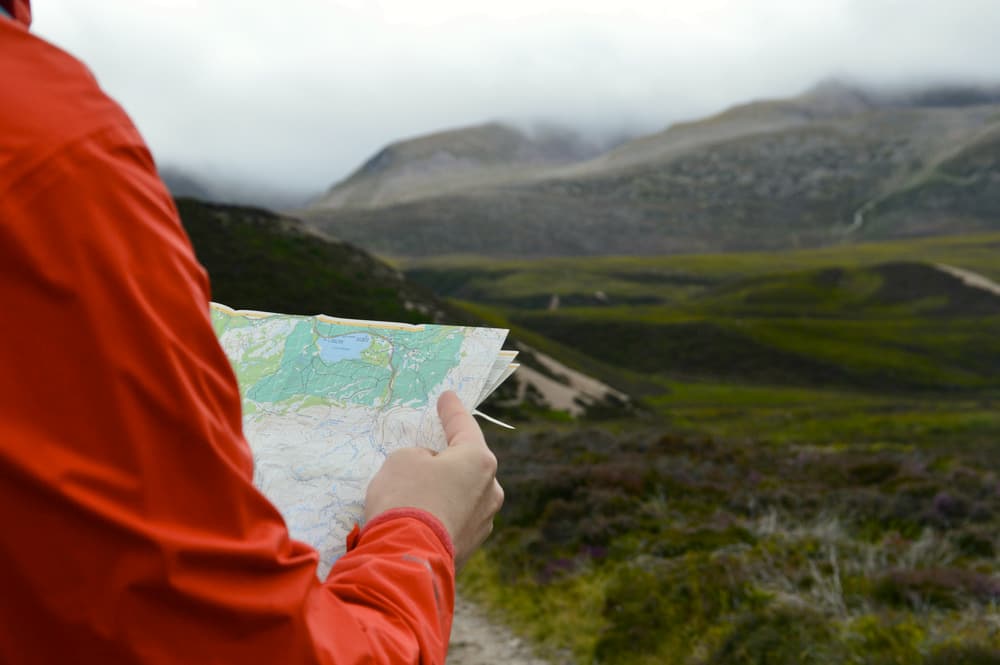
Make sure you have the suitable footwear and clothing for the terrain that you are planning to walk in. Pack extra clothes, food and water to make sure you’re covered should you be out longer than anticipated. Have a first aid kit in your bag just in case. Whilst in modern day living we’re used to doing everything in the digital space – make sure you have a trusty paper map and compass with you (and that you know how to use them!) – they don’t rely on a signal or battery to work!
Know your limits
If you want to experience somewhere new – make sure it’s somewhere suitable for your abilities. On both OS Maps and Outdoor Active there is a guide to the level of difficulty for the walk, along with an overview of the route to show how steep (or not) the ascents and descents are. Big ambitions are great but you shouldn’t be afraid to turn back if the route gets too much. Richard Newhouse from the Severn Area Rescue Association (SARA) says, “It’s definitely the braver choice to throw in the towel and come back another day.”
Be aware of your surroundings
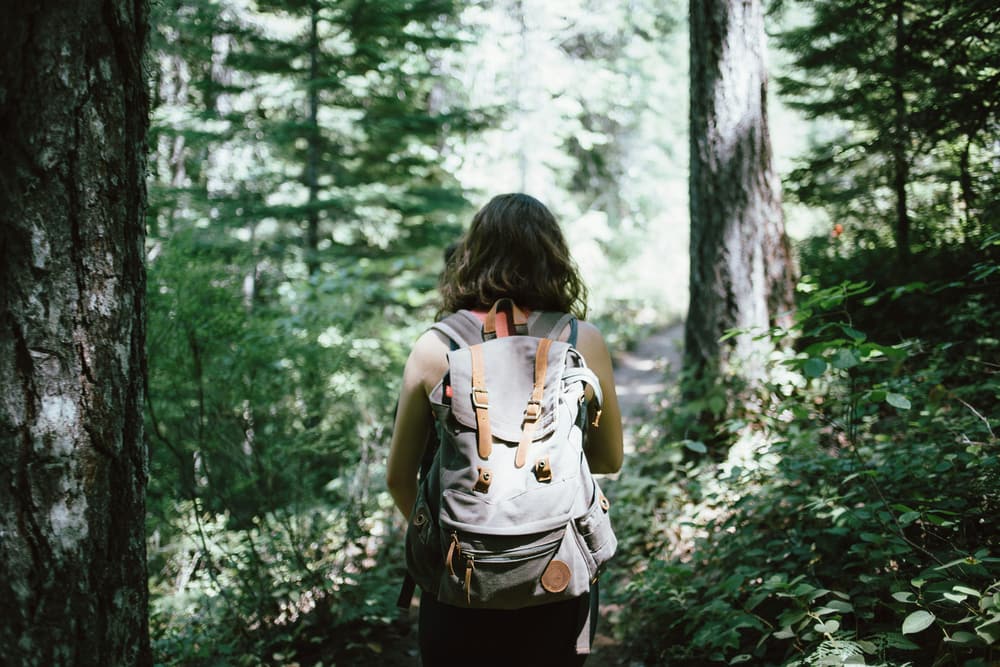
Should you need to call emergency services, it will help them to give as much information about your exact location as you possibly can. Share information about what you see to others you meet on the trail – especially if it could help keep them a little safer too.
When walking in England & Wales – make sure you remember to follow the countryside code.
Author: Holly Barber