Why Outdoor Walks Are a Great Alternative to Screen Time
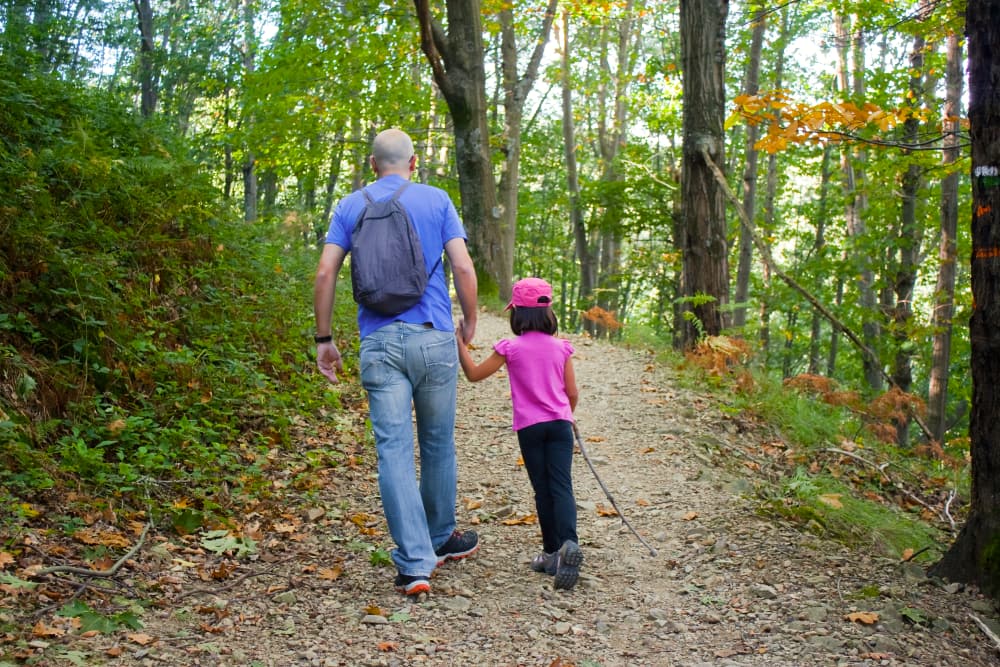
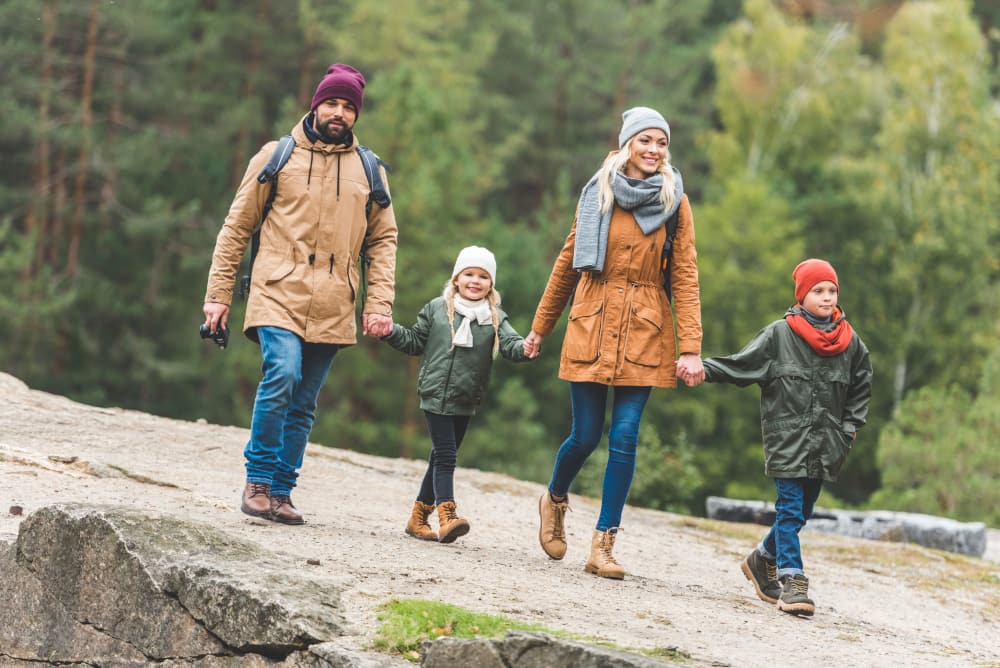
Modern routines often revolve around screens. Tablets, televisions, phones, and gaming devices easily become part of daily life, especially during quieter afternoons or poor weather. Outdoor walks offer something different. Fresh surroundings, changing scenery, and physical movement create a far more engaging experience for children than sitting indoors for long periods.
Walking allows for a slower pace, which naturally grows curiosity. Children begin spotting unusual leaves, colourful flowers, and insects moving across paths. Those smaller moments encourage attention in ways that fast-moving digital entertainment rarely can.
Short outdoor trips can also improve family routines. Walks can often feel like a chore when a child’s normal routine is disrupted; however, framing them as an opportunity to spend quality time together can change that.
Variety matters too. A single route can quickly become predictable, especially for younger children. Exploring woodland trails, quiet parks, beach paths, national parks, or nature reserves keeps interest levels higher and creates something fresh each time. Using online pathfinders can help pick new locations.

Simple Ways to Make Walking Feel Like an Adventure
Making ordinary activities imaginative is key. A basic walk becomes far more exciting once small challenges or playful themes are introduced. Treasure hunts, spotting birds, naming bugs, pointing out unusual rocks, or describing different tree shapes give children something to focus on throughout a journey.
Adventure-themed walks also work particularly well. Pretending a trail map is a treasure map, following animal tracks, or completing explorer missions encourages participation without requiring expensive equipment. Handing over a pair of binoculars or a notebook can instantly make children feel involved.
The time of day can also affect how a walk feels. Evening strolls at sunset create a completely different atmosphere from busy daytime outings. Rain, snow and sun all present different opportunities to see the world in a new way.
Allowing children to make smaller decisions encourages engagement. Choosing which direction to walk, selecting a mini game, or deciding where to sit for a picnic all help children feel more involved and independent.
Rewarding Children for Taking on the Screen-Free Walking Challenge
Positive encouragement can often go a long way in making children excited for walks. Children tend to respond better when they feel rewarded at the end of the day. These rewards do not need to be excessive; something simple can have a big impact.
Ideas could include keeping a sticker chart, filling a box with small nature finds, creating a photo scrapbook, or keeping score during family walking games. Rewards do not need to involve expensive toys or constant treats.
Sew-on patches can also help commemorate walking adventures. For example, children could receive a small patch after reaching a walking milestone. Adding them to a backpack or jacket after completing outdoor challenges gives children a memorable collectable to take on future walks.
Consistency also matters. One of the most important things is to keep the goals achievable. If challenges become too difficult, walking can start to feel like a chore rather than something enjoyable.
Fun Walking Games and Activities
Longer walks may become boring over time, and games can help prevent this. Simple activities usually hold attention better than overly planned tasks. “I Spy” remains popular because it can be played anywhere and encourages children to observe their surroundings more carefully.
Bingo cards can also make walks feel interactive. Identifying a bird, flower, insect, or different-coloured leaves gives children an achievable challenge while walking. Older children may enjoy photography challenges using simple cameras or supervised phone use for pictures only.
Family storytelling is another staple. One person starts a story, then each family member adds something as they walk until the walk is complete and the story is finished. Some silly, creative moments can easily arise while playing this game.
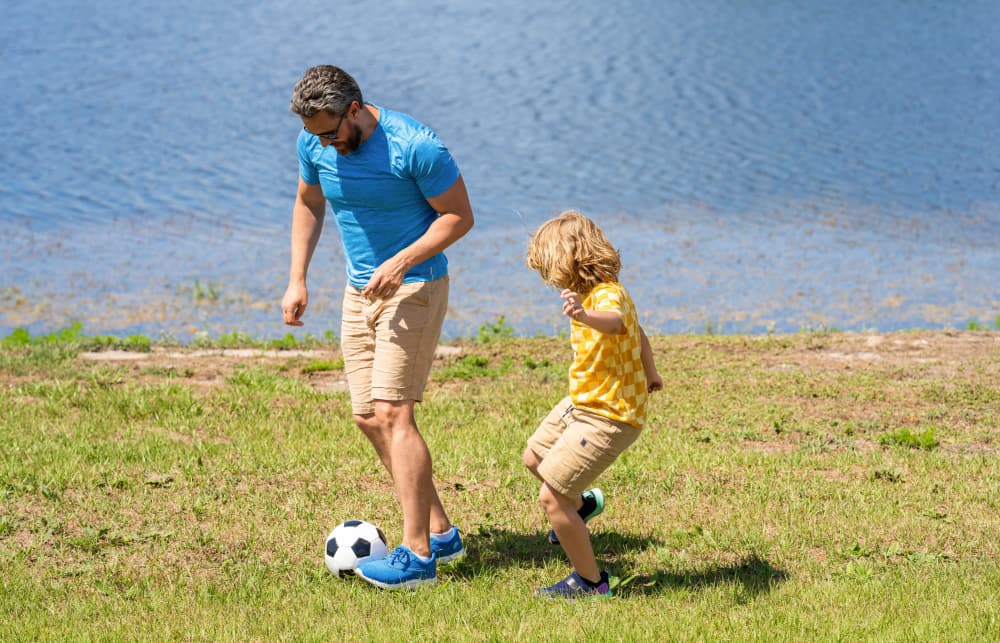
Physical challenges can help children utilise their energy productively. Jumping over puddles, playing dodge-the-cracks, racing between trees, or counting steps between landmarks are great options.
Music can occasionally help during quieter walks, too. Singing songs together or creating rhythmic clapping games often lifts energy levels during longer routes.
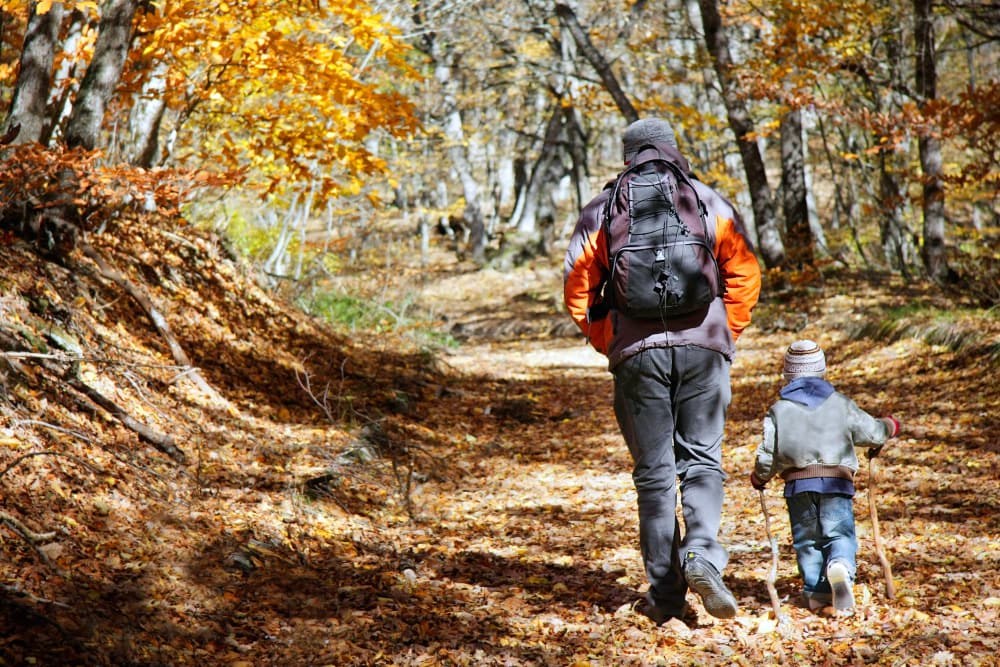
Creating Healthy Outdoor Habits the Whole Family Can Enjoy
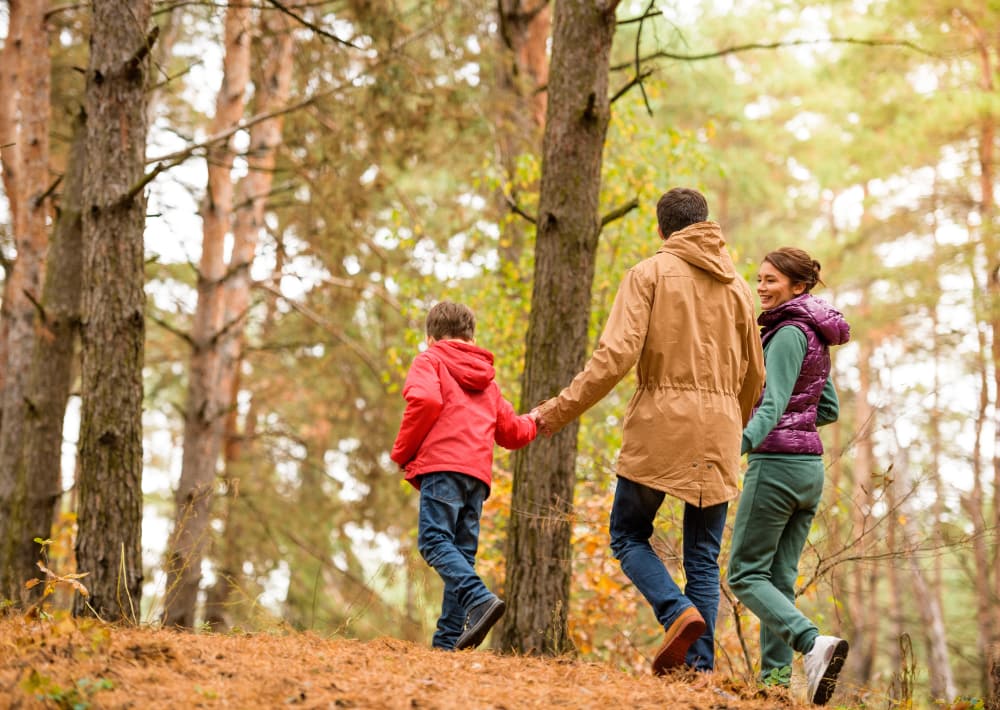
Healthy outdoor routines are best when developed gradually. Large lifestyle changes rarely last long when they feel too demanding. Smaller habits tend to fit more naturally into family life and feel easier to maintain over time.
Regular walks after school, weekend park outings, or short evening strolls can become routine.
Adults play an important role as well. Children notice attitudes towards outdoor activities very quickly. Enthusiasm, patience, and participation often shape how younger family members respond. Complaining throughout a walk usually removes excitement almost immediately.
Flexibility can help. Some days, children may feel energetic, adventurous and ready for a big outing. On other days, children may feel slower and more mellow, so slower pacing with more frequent stops may be a nice change. Adapting plans according to mood and energy levels often creates a more enjoyable experience for everyone involved.
Ultimately, walks should feel natural rather than pressured. Fresh air, movement, conversation, and exploration develop during walks in a way that watching TV or playing video games cannot replicate. When done right, even short adventures can leave lasting memories.