

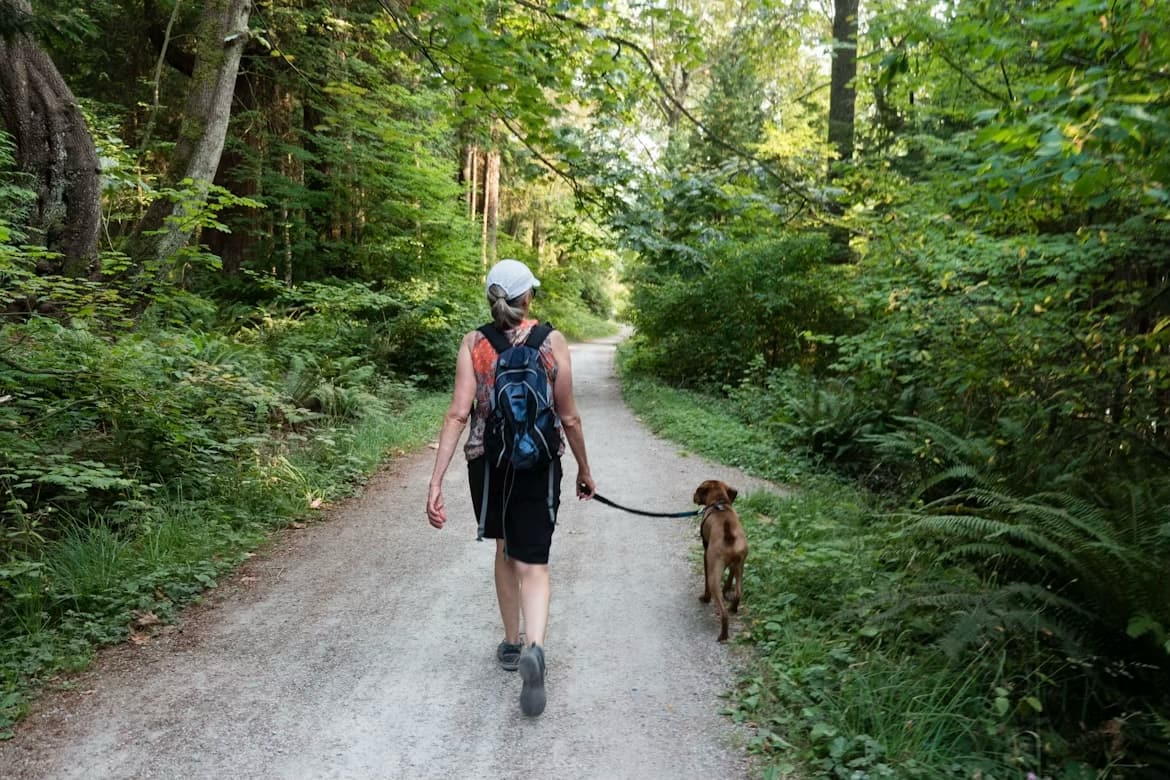
An old friend trotting happily by your side is one of the great joys of exploring the great outdoors. As our canine companions enter their golden years, their enthusiasm for adventure might not wane, but their physical capabilities certainly change. It doesn’t mean you have to hang up the walking boots and lead for good. Instead, it’s about adapting your approach to make sure every outing is safe, comfortable, and enjoyable for your senior dog.
With a few tweaks to your routine, you can keep making wonderful memories together on trails and footpaths. It’s all about understanding their new limits and planning adventures that suit their pace. From picking the right path to knowing when to call it a day, this guide will help you keep your older dog active, happy, and healthy on your outdoor trips.
Assessing Your Senior Dog’s Fitness
Before you plan any big walks, the first and most important step is to get a clear picture of your dog’s current health and fitness. A dog’s age is more than just a number; two ten-year-old dogs can have wildly different energy levels and how easily they move. A thorough check-up with your vet is the best place to start. They can check your dog for common age-related issues like arthritis, heart conditions, or reduced vision and hearing, which can all affect how safely they can handle a trail.
Talk to your vet about wanting to keep your dog active. They can give you advice tailored to your dog’s specific condition. This chat is also a good chance to review their overall health plan. Unexpected vet bills can be a worry for any pet owner, especially as pets get older. That’s why many owners of mature dogs choose to get pet insurance for older pets with Purely Pets, which can help cover the costs of unforeseen treatments. Being prepared lets you focus on enjoying your time together, knowing you have support if they need it.
Beyond the vet’s office, watch your dog at home and on short, everyday walks. How do they handle the stairs? Are they stiff after a nap? Do they still get that burst of energy when you pick up the lead? This will give you a real-world idea of what they can manage. The PDSA offers excellent guidance on exercising your senior dog and adjusting activity levels to their changing needs.
Choosing Suitable Walking Routes
Once you have a good sense of your dog’s fitness, you can start planning adventures that play to their strengths. The five-mile mountain treks of their youth might be off the table, but there are plenty of wonderful alternatives. The key is to think “gentler and shorter.”
Look for routes with these characteristics:
- Softer Surfaces: Grass, woodland floors, or well-maintained dirt paths are much kinder on aging joints than hard pavement or rocky, uneven ground.
- Minimal Inclines: Steep hills put a lot of strain on a dog’s hips and shoulders. Go for relatively flat walks or those with very gentle, rolling slopes. Many canal towpaths or country park circuits are perfect.
- Shorter Distances: Start with short walks of 20-30 minutes and see how your dog copes. You can gradually increase the time if they seem comfortable, but it’s always better to leave them wanting more rather than pushing them too far. Remember, the goal is enjoyment, not endurance.
- Plenty of Shade and Rest Stops: Older dogs can overheat more easily. Plan your walks for cooler times of day, like early morning or evening, and choose routes with lots of tree cover. Benches or fallen logs make great spots for both of you to catch your breath and have a drink.
A gentle exercise plan doesn’t mean boring. Exploring a new woodland trail or a quiet corner of a local park can be just as stimulating for your dog as a challenging hike. The mental enrichment from new smells and sights is incredibly beneficial for keeping their mind sharp.
Essential Gear for Senior Pet Outings
Your walking kit might need a few upgrades to suit your senior companion. Comfort and safety are the top priorities, and the right gear can make a huge difference. While you may have some of these items already, their importance grows as your dog ages.
A comfortable, well-fitting harness is often a better choice than a collar for an older dog. It spreads pressure across their chest and shoulders instead of their neck, which is especially important if they have breathing issues or tend to cough. A harness with a handle on the back can also be super useful for helping your dog over small obstacles or giving them support on uneven ground.
Other essential items include:
- Water and a Collapsible Bowl: Dehydration is a bigger risk for senior dogs. Carry more water than you think you’ll need and offer it often, even if they don’t seem thirsty.
- High-Value Treats: A few tasty, easy-to-chew treats can give a much-needed energy boost part-way through a walk.
- A Dog First-Aid Kit: Include basics like antiseptic wipes, bandages, and any specific medication your dog needs. It’s also smart to have your vet’s number saved in your phone.
- A Stroller or Sling: For smaller dogs or those with significant mobility issues, a pet stroller can be a fantastic way to let them enjoy the fresh air and scenery without overdoing it. They can walk for a bit and then ride when they get tired.
Recognising Signs of Fatigue or Discomfort
Your older dog won’t always tell you when they’ve had enough, so it’s up to you to watch them closely. Many dogs, wanting to please, will push themselves past their limits. Learning to read their subtle cues is one of the most important skills for adventuring with a senior pet.
Pay close attention to changes in their body language and how they act. Signs that your dog is getting tired or uncomfortable can include:
- Lagging Behind: If your dog, who usually walks ahead, starts falling behind you or stopping frequently, it’s a clear signal they need a break or that it’s time to head home.
- Excessive Panting: While panting is normal, heavy, laboured panting that doesn’t calm down with a short rest can be a sign of over-exertion or heat stress.
- Stiffness or Limping: Watch how they walk. Any sign of lameness, stiffness, or a reluctance to put weight on a particular leg means the activity is straining their joints.
- Seeking to Lie Down: If your dog repeatedly tries to lie down, they are telling you in the clearest way possible that they are done. Don’t try to coax them into going further.
- Changes in Demeanour: A dog that becomes less responsive, irritable, or seems disoriented might be in pain or severely fatigued.
If you notice any of these signs, stop right away. Find a shady spot, offer them water, and let them rest. If the symptoms are serious or don’t improve, you may need to cut the walk short and carry them if possible, or call for help.
Prioritising Health on Every Journey
Caring for your senior dog on an outdoor adventure goes beyond just the walk itself. The before and after are just as important for their wellbeing and how long they stay active. Proper preparation and post-walk care will ensure they recover well and are ready for the next outing. Think about the whole experience from their perspective when nurturing the golden years and planning activities.
Before you even leave the house, think about the weather. On hot days, a very early or late walk is best. In winter, a dog coat can provide much-needed warmth for dogs with thin fur or little body fat. Always check their paws before and after a walk for any cuts, thorns, or cracked pads.
After you get home, make sure they have a comfortable, warm bed to rest in, away from any draughts. Some dogs might benefit from a gentle massage on their hips and shoulders to ease any muscle soreness. This is also a great time for bonding. Pay attention to how they behave in the hours following a walk. Are they unusually stiff or lethargic? This could mean that the walk was too strenuous, and you should scale back next time. Keeping a simple journal of walk duration, terrain, and your dog’s reaction can help you find the perfect balance.
Continuing to share outdoor adventures with your older dog is a wonderful way to enrich their life and strengthen your bond. It just takes a little more thought, patience, and a willingness to adapt to their new pace.