

There’s something uniquely energising about planning a group outdoor trip. The excitement of shared adventure, the chance to move your body alongside people you care about, the promise of fresh air and distance from screens.
Yet there’s a tension most groups don’t discuss until they’re halfway through their weekend: active days leave you sore, stretched, and genuinely tired by evening, while the quiet recovery time everyone needs gets squeezed out or skipped entirely. The added considerations of varied fitness levels and different recovery speeds, alongside participant accommodation potentially scattered across separate hotels, can quickly see the wellness aspect of your trip disappear into the background.
This is where group wellness escapes reframe the entire experience. Rather than a choice between active (energising but exhausting) and restful (restorative but passive), you design weekends that blend both from the start. Active outdoor days followed by shared recovery practices. Communal meals centred on refuelling and nourishment. Evening wind-downs where everyone gathers rather than disperses. A dedicated base where the group’s wellbeing becomes the real focus, not an afterthought.
Why groups need a different approach
When you walk or cycle solo, recovery is personal and flexible. You rest when you want, stretch when you feel like it, skip dinner if you’re not hungry, but groups operate differently. Someone finishes stronger than they started and wants to explore further. Another person’s legs are screaming and they need horizontal time immediately. Fitness levels, age ranges and how much you’ve trained beforehand can all vary. Without a shared structure, a group weekend becomes a series of individual experiences happening in the same place rather than a cohesive escape.
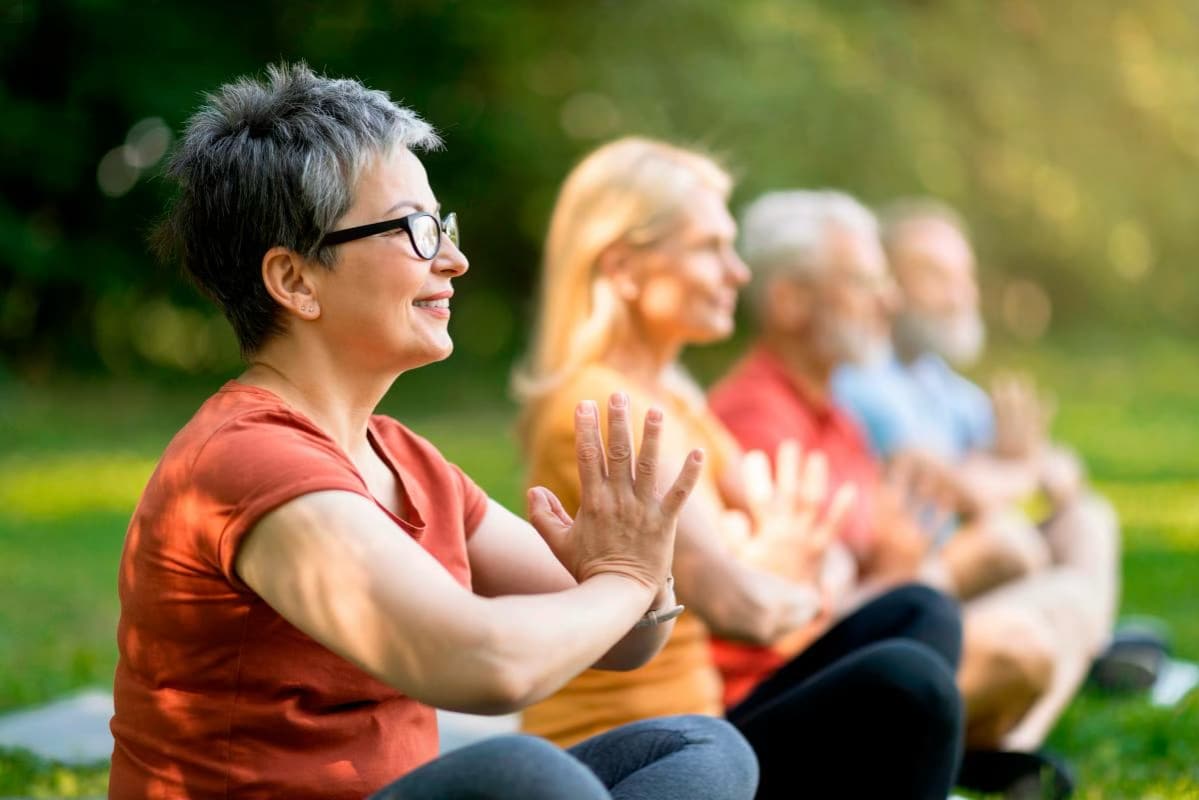
More importantly, solo recovery misses the real magic of group wellness. When you stretch together after a day of walking, the awkwardness dissolves and you’re suddenly laughing at how your hamstrings feel. When everyone sits down to the same nourishing meal at the same table, conversation flows naturally. Your friend mentions their shoulders are tight and three others say “mine too,” instantly lessening the feeling of lone fatigue. Retreats fully focussed on health and wellbeing allow a far more effective recovery process to occur, sharing and supporting one another along the way.
Structure your outdoor days
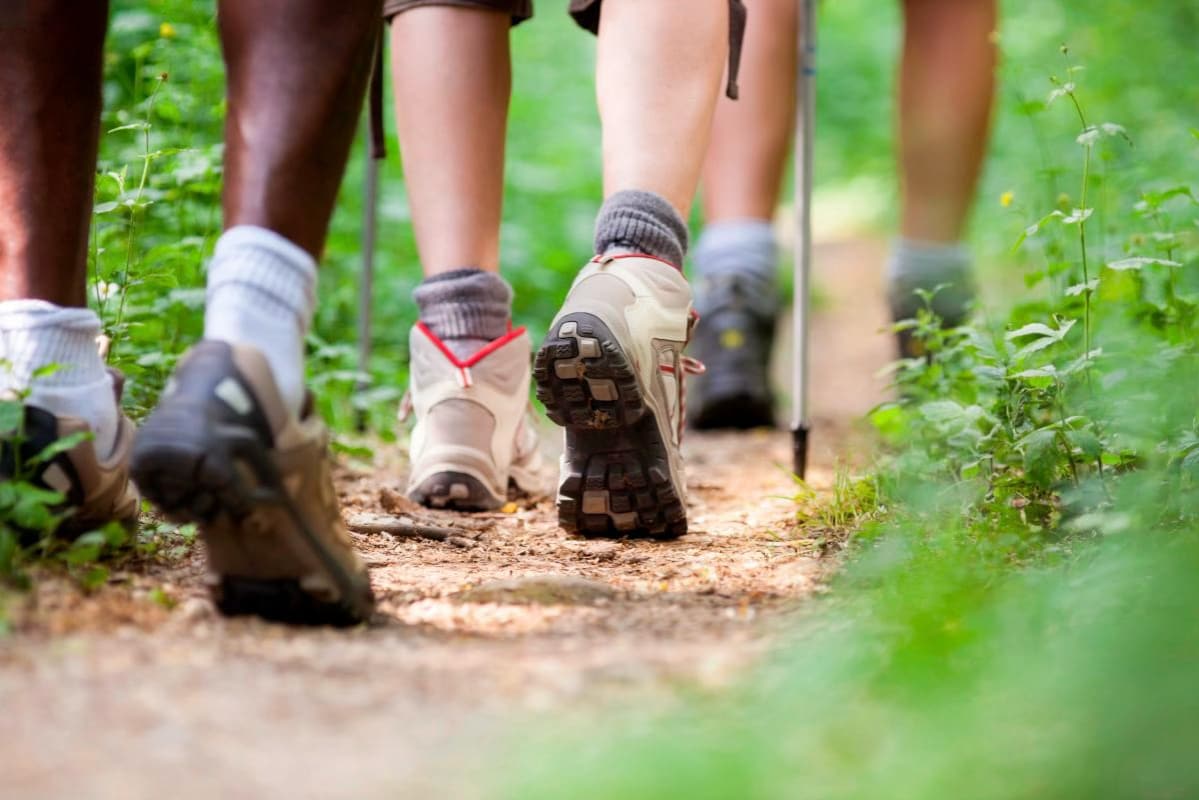
Start by choosing your region and walking routes. The UK’s finest outdoor destinations offer loops and trails for nearly every fitness level. The Lake District’s fells work for experienced hikers and accessible valley walks for others. The Cotswolds provide rolling countryside ideal for moderate day hikes, while coastal paths in Cornwall or Wales suit different paces within the same group. Aim for one or two main walking days of 4-6 hours rather than relentless daily hikes. Build a genuine rest day into your itinerary, not as a concession to fatigue but as a deliberate recovery phase.
Enjoying rest time together can be the stumbling block for many group trips when participants are situated in hotel rooms across a town. Each group member returns at different times, dinner reservations are staggered, and by the time everyone’s showered and changed, it’s already evening. Stretching and relaxing together requires everyone to be in the same space at the same time, and hotels some distance apart can hinder this. Shared meals lose their rhythm and recovery becomes something people do alone in their rooms rather than with the group.
Find your perfect group Basecamp
The solution is straightforward. Explore adventure group holidays in the UK, where Group Escape Houses and similar operators have built portfolios of exclusive-use homes specifically for active groups. Open-plan kitchens allow for effortless shared cooking, plentiful bathrooms eliminate the need to queue post-hike, and generous communal spaces invite stretching and enjoying the natural end of the day wind-downs.
When your entire group stays under one roof, recovery stops being something you squeeze in and becomes the natural rhythm of your evening. Properties are marketed around the philosophy of being able to return to the luxury basecamp to recharge. That’s the real difference a large group property can make.
Plan your recovery practices
Dedicate 20-30 minutes each evening to gentle group stretching. Target the muscles your group used that day: calves and hamstrings after hill walking, hip flexors after cycling, shoulders if anyone carried a backpack.
It’s well known and researched that just as with other forms of exercise stretching after hiking helps remove lactic acid from muscles, reducing soreness and supporting muscle repair. Stretching should be to a mild tension, never giving pain, and each one held for 20-30 seconds. Make it social, not clinical. Put on music you all like, chat and laugh at shared aches and work to your own flexibility.
Hydrate properly throughout each day and especially in the hour after activity, replacing water and electrolytes you’ve lost. Communal meals are non-negotiable, so plan or book a property where cooking together is straightforward, centring meals around genuine nutrition. Protein rebuilds the muscles, carbohydrates replenish energy, and always drink plenty of water. Evening wind-downs matter too, with a short breathwork session or gentle movement before sleep helping your nervous system to transition from activity mode to rest mode.

The social element
Evidence on social wellness and group connection confirms what group retreats deliver: recovery alone works, but recovery together is transformative.
Walk Yourself Happy wellbeing retreats exemplify this principle. The shared experience of muscle soreness creates an unspoken bond. Collective appreciation for a good meal tastes better than solo dining. When groups practise recovery together, stretching becomes a shared evening ritual, not a solo chore. Evening meals become social events instead of a logistical timeframe. Sleep comes easier when you’ve exercised and shared the day’s stories with your people before your head hits the pillow. Group accountability keeps recovery from being optional, and makes recovery feel effortless when it’s woven into the group’s natural rhythm.
Ready to plan yours
Planning your next group outdoor escape involves three practical steps:
- Choose your destination and map walks that challenge without crushing your group
- Identify activities beyond the main hikes, building in genuine rest days
- Book accommodation specifically designed for active groups
A property that supports shared recovery, with well planned communal space, makes group meals and evening wind-downs a natural progression of the active day. With this base in place, layer in simple recovery practices, and watch how a weekend of walks becomes something far deeper. Now you have a retreat where movement, community, and genuine rest become inseparable.
Author: Annie Button