

Arthritis comes in many forms (over 100 in fact) – the majority of types of arthritis fall into 4 main categories: degenerative arthritis (stemming from wear and tear of the joints),inflammatory arthritis (where the immune system mistakenly attacks joint tissue), metabolic arthritis (where chemical crystals form inside joints) and infectious arthritis (caused by bacteria, viruses and fungi infecting the joint). Ultimately there is no cure for the condition – but there are plenty of treatments and practices that you can do that will help alleviate symptoms.
There are over 10 million people living with arthritis in the UK and I am one of them. I have osteoarthritis (degenerative arthritis) in my knees. I used to run a lot – I’d do 5km, 10km, 10 mile and half marathons for charity. Each mile I ran ultimately took its toll on my knees and in 2013 after my first and last DNF result I hung up my running shoes for the last time.
Whilst there is no cure for arthritis, there are things you can do to ease your symptoms. Since my own diagnosis I’ve started my own journey into the alternative treatments and practices I can do to avoid the need to be reliant on pharmaceuticals. It’s reassuring to know that a lot of research and studies are happening into helping those of us with arthritis.
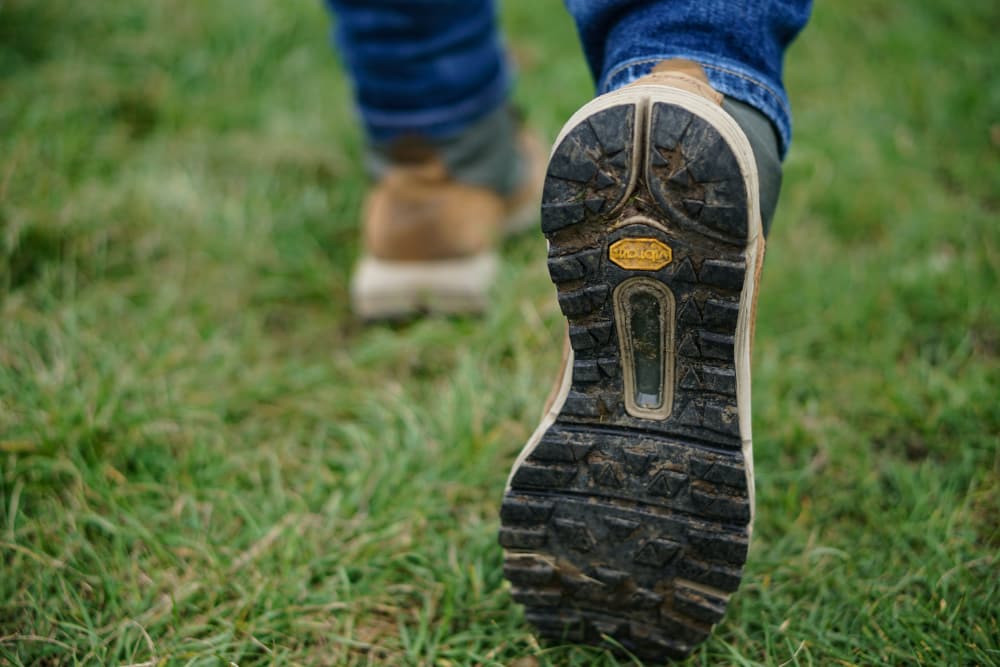
One of those studies has shown that aerobic activities (such as walking, cycling and swimming) are beneficial for knee osteoarthritis. They can help ease pain, improve function, gait and overall quality of life. Neither cycling nor swimming are weight bearing activities which I have found helps on days when I do have flare ups – there isn’t the same pressure going through my knees enabling me to stay active and ultimately feel better for it. The key is to build up gradually and not over do things.
Walking is a great exercise for anyone with arthritis – it will help keep muscles strong and support flexibility in your joints. Start with shorter walks around your neighbourhood before venturing further afield as you feel stronger and more confident. In January my osteoarthritis flared up to the point where I couldn’t bend my right knee (it was locked straight). Knowing I needed to stay as active as I could, on crutches I made a point of venturing outside every day – initially just to the end of the road and back, before gradually extending to a mile circuit around the village where I live. In February that mile circuit took me nearly an hour to do – now I can do it in under half an hour. Persistence has been key for me – and I will keep at it as I know it’s making a difference.
If you’re looking for gentle walks to try – look at the Routes for Little Boots walks on The Outdoor Guide. They have all been created with those who can’t walk far in mind. You can also look for local walking groups – whilst there are many groups that have been created for those who love to go on a 10 mile hike – there are also many for those who are walking for their health. These groups offer a sense of community and support.
A new clinical trial has shown positive results from practicing tai chi (unsupervised, using online tutorials) for those like me with knee osteoarthritis. Initial findings suggest that it can help ease knee pain and overall function. During the winter months, when you are perhaps more reluctant to step outside – this could prove to be a valuable alternative – and certainly something that I will be trying.
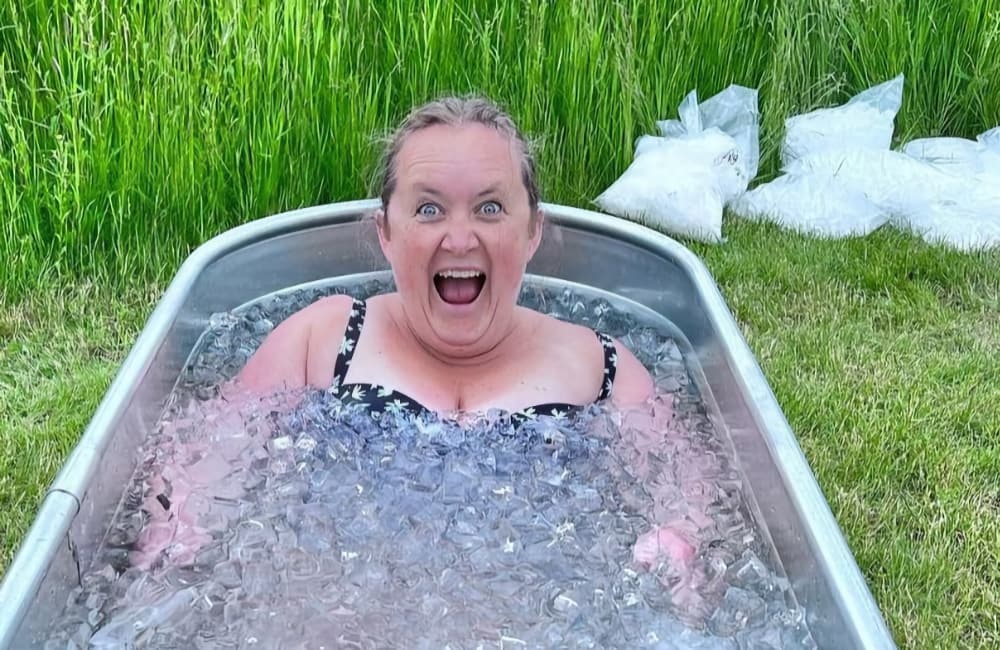
The one thing that I have relied on heavily is the cold. Arthritis can cause an inflammatory response which is heat – using the cold in controlled ways can help counter that and, for me at least, ease the pain and discomfort that I’m in. Full disclosure here – I’m also a Wim Hof Method Instructor so embracing the cold is part of my job so I’m going to sing its praises but … it was because of my knees that I got into the method in the first place. Having walked for years with knee pain, after my first ice bath (also known as the longest two minutes of my life) for 10 days, maybe two weeks after I walked pain free. A little bit of discomfort actually brought me a lot of comfort. The cold should only ever be used sparingly – don’t over do it or you could cause the inflammation to flare up. After you’ve showered as normal, turn the dial down to cold and target that water on your problem areas – start with a 10 second blast and build it up over time. Get an ice pack, wrap it in a tea towel and place it over your target area for no more than 10 minutes. Paddle in the sea or take a quick dip in open water (where it’s safe to do so) – consider joining your local Bluetits if you’re on the coast. Or join your local Wim Hof Method instructor for a workshop that includes an ice bath. There are many different ways in which you can incorporate cold into your life!
Contrast therapy (hot and cold) is something that has been around for many, many years and can certainly help with arthritis. There seems to be an influx of pop up saunas appearing across the country that offer you the chance to embrace the hot and the cold. If you are going to give this a try – always end on cold and warm up properly (from the inside out).
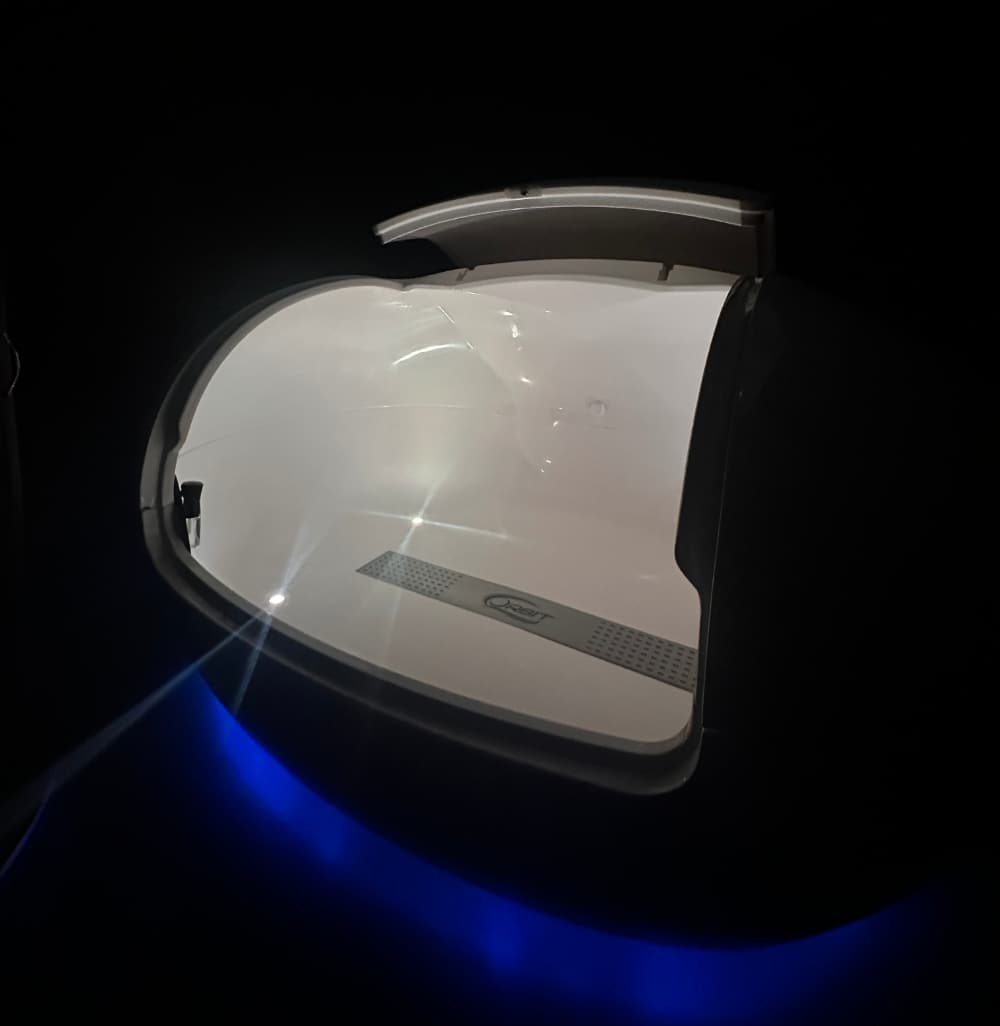
One practice that I have found helps melt my aches and pains away is flotation therapy. These are tanks where you effectively float in a shallow (maybe 30cm deep)warm epsom salt bath. The best way I can describe it is like floating on silk. My closest float is in Glastonbury where local spring water is used – making the experience feel even more special. I can get in the tank, bring the lid down, the lights go out and I can literally feel my pains melt away into the water. In the darkness you are deprived of your senses – I can do full 360 turns in the tank and have no concept of which way round I am when I’m in there – but that is part of the experience and what makes it feel so extraordinary.
It’s early days on my own osteoarthritis journey and I know there is still a lot out there for me to learn. I know my osteoarthritis isn’t going away – but I also know that by staying as active as I can, I can quieten it, I can ease it and that’s what I intend to do.
Blog author: Holly Barber