

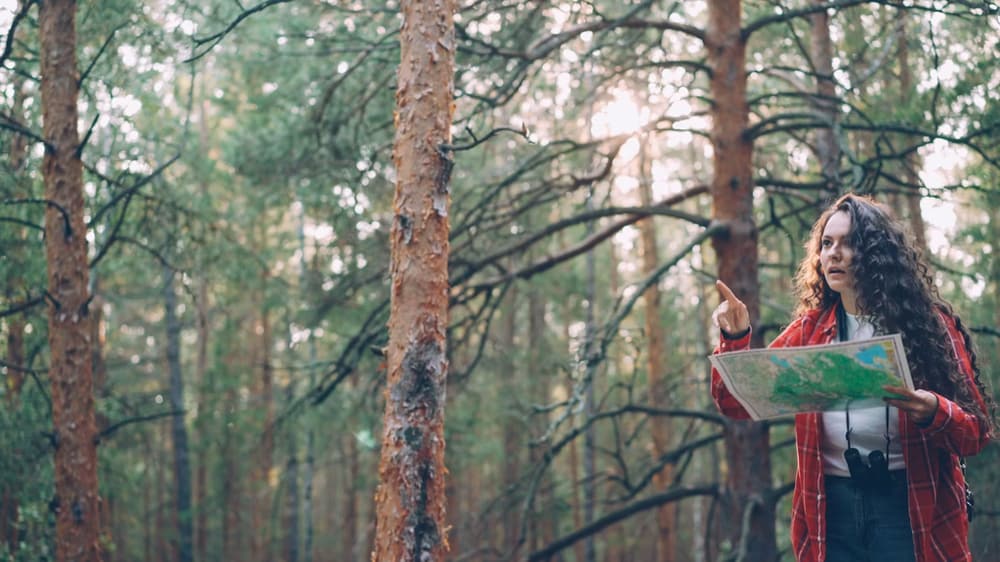
There’s a unique thrill that comes with taking your first steps towards true independence. It often starts small: a walk in the local woods without a guide, or finding your way on a new trail using just a map and compass. This growing confidence in your own abilities feels empowering, and it opens up a world of possibilities. For many, becoming self-reliant begins in the great outdoors, a perfect training ground for building skills and trusting your instincts.
This article is all about that journey. We’ll look at how you can move from simple outdoor activities to planning your own adventures, and how gaining another kind of freedom – the freedom of the open road – can unlock even more of the beautiful British countryside.
Building Confidence in Nature
Confidence isn’t something you’re born with; it’s something you build. The outdoors offers a fantastic, low-pressure environment for this. Starting with familiar territory is key. You don’t need to head for the highest peaks straight away. A long walk through a well-marked local nature reserve or a coastal path you’ve visited with family can be the perfect first step. The main goal is simply to get comfortable with your own company and your ability to look after yourself.
As you spend more time in nature, you’ll start to notice the details: the change in light, the sound of different birds, the feel of the ground beneath your feet. This heightened awareness is a skill in itself. It helps you feel more connected to your surroundings and less reliant on outside distractions. Successfully navigating a path or completing a walk you planned gives you a real sense of achievement. This process of building confidence one outdoor adventure at a time creates a positive feedback loop, encouraging you to push your boundaries just a little further on your next outing.
From Guided Walks to Solo Adventures
Joining a guided walk or a local Ramblers group is an excellent way to learn from others and discover new routes. You can pick up practical tips on everything from what to wear to how to read a map in real-world conditions. It’s a safe space to ask questions and see how more experienced walkers handle different situations.
The natural next step is to plan your first solo walk. This can feel daunting, but the key is to start small and be prepared.
- Choose a familiar route: Pick a trail you’ve walked before with a group. This removes the stress of navigation and lets you focus on the experience.
- Check the weather: Always check a reliable forecast before you leave. The weather can change quickly, especially in hilly areas.
- Tell someone your plan: Let a friend or family member know your route and your estimated return time. Arrange to check in with them once you’re back safely.
- Pack the essentials: Even for a short walk, carry water, snacks, a fully charged phone, a simple first-aid kit, and waterproofs.
Mastering solo hiking skills isn’t about being reckless; it’s about being prepared and self-sufficient. Many people find that solo backpacking builds confidence in a way few other activities can. The quiet solitude and the feeling of competence it brings are rewards in themselves.
The Next Frontier: Driving Freedom
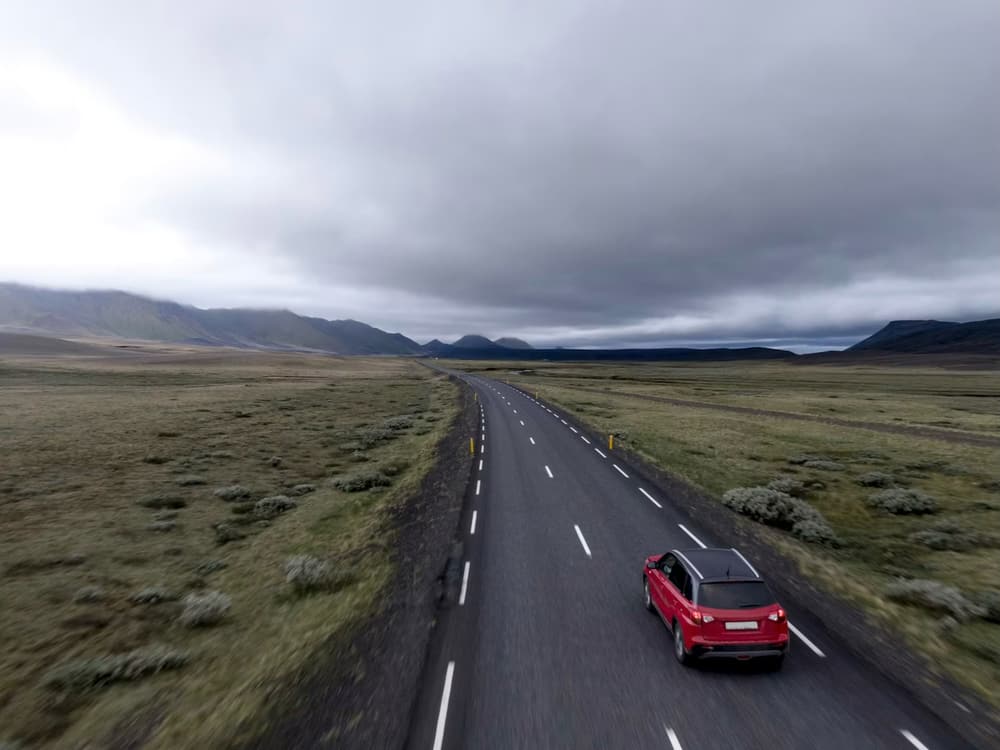
Once you’ve tasted the freedom of exploring on foot, you might find yourself looking towards more distant horizons. So many of Britain’s most stunning landscapes, from the wild coasts of Cornwall to the dramatic valleys of the Lake District, are difficult to reach without a car. This is where learning to drive becomes the next logical step in your journey towards outdoor independence.
Getting your licence opens up a whole new map of possibilities. Suddenly, that remote trailhead or secluded beach is within your reach. You can set your own schedule, leaving at sunrise to catch the best light or staying late to watch the sunset without worrying about the last bus. For many young people and aspiring adventurers, this is a significant milestone. Practising with a parent or friend is a common way to build up the necessary hours and experience behind the wheel. To do this legally and safely, getting the right cover is essential. Policies like Marmalade’s Learner Driver Insurance are designed specifically for this purpose, allowing you to get valuable practice in a familiar car without risking the owner’s No Claims Discount. It provides the flexibility to practise when it suits you, turning every drive into a step closer to your full licence and your next big adventure.
Safe Practice for Provisional Drivers
Passing your test is only the beginning of becoming a confident solo driver. Rural roads bring challenges such as narrow lanes, sharp bends, hidden dips, and farm vehicles.
Provisional drivers can build confidence by practising these conditions with a qualified supervisor. Try routes through villages or along B-roads, and learn to approach blind corners carefully and pass safely on single-track lanes.
Before setting off, check your tyres, screen wash and fuel. Once licensed, a Pass Plus course can also help improve your confidence on rural roads and in different weather conditions.
Planning Your Future Journeys
With growing confidence in both your outdoor skills and your driving ability, you can start to dream bigger about a safe solo hike. A day trip can become a weekend expedition. A walk in the Peak District could become a road trip through the Scottish Highlands. This is where planning becomes part of the fun.
Start by investing in good maps of the areas you want to explore. An OS map is invaluable for walkers, but a quality road atlas is just as important for the driver. Spend an evening tracing potential routes, marking out points of interest, potential walks, and places to stay. Online resources and walking apps are brilliant for discovering trails, but having a physical map as a backup is always a wise idea.
When planning your first overnight trip, think about logistics:
- Accommodation: Will you be camping, staying in a youth hostel, or treating yourself to a B&B? Book in advance, especially during peak season.
- Packing: Your kit will now need to include overnight gear as well as your walking essentials. Make a checklist to ensure you don’t forget anything important.
- Flexibility: Plan your itinerary, but don’t be afraid to change it. The beauty of having your own transport is the freedom to stop at that interesting-looking viewpoint or take a detour down a promising lane.
These longer trips are where you truly learn to embrace solitude in the outdoors and rely on your own resourcefulness.
Embracing the Open Road
Ultimately, independence comes from building skills that support your goals. Learning to navigate a trail alone builds confidence, while learning to drive gives you the freedom to reach new places.
Every practice drive, map-reading session and solo walk is a step towards greater confidence and independence. Whether exploring a local forest or planning a longer adventure, the open road and trail are waiting.