

Long summer evenings are perfect for slower coastal walks, where sea air, open views and golden light turn a simple route into something memorable. With the right planning, a coastal path can offer fresh air, gentle adventure and a relaxed way to enjoy the best of the season.
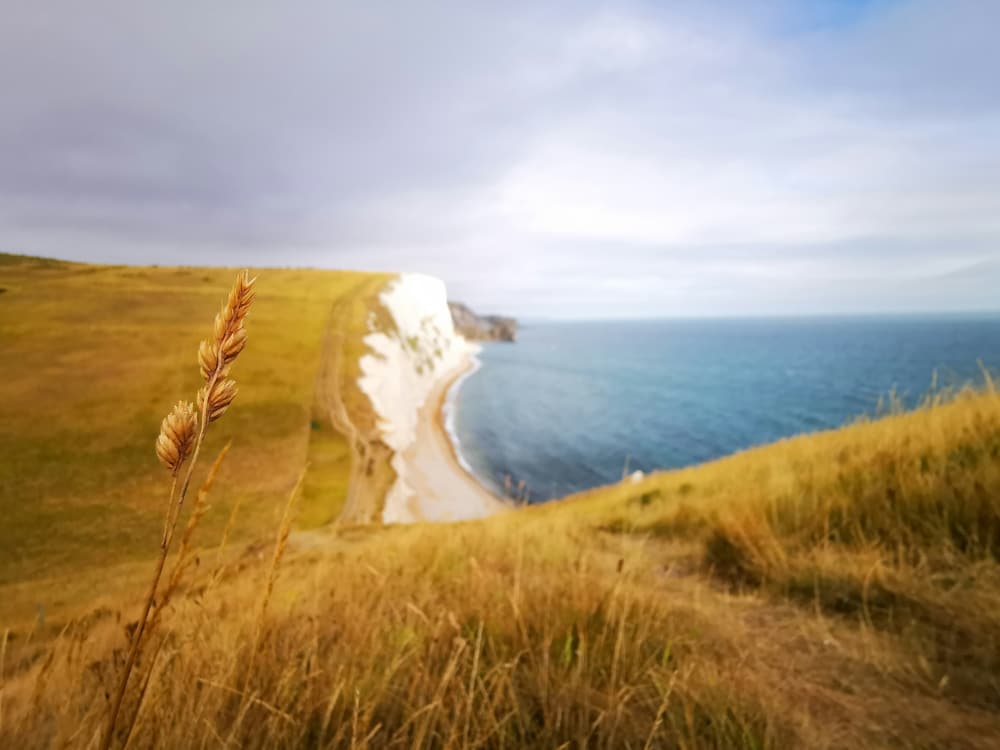
Summer changes the mood of a coastal walk. The light lasts longer, the sea often looks softer, and familiar paths can feel more inviting when the day begins to cool. For walkers who prefer a gentler pace, the evening can be one of the best times to explore the coast, especially after the busiest part of the day has passed.
A good summer evening route does not need to be long or difficult. It might be a cliff path with wide views, a harbour walk with places to pause, or a beachside route that links neatly with a village, café or pub. What matters most is choosing a walk that suits the conditions, the tide, the group and the time available.
Small details can make the experience better. Comfortable shoes, a light layer, water, a charged phone and a simple route plan all help keep the walk relaxed. If you are staying out later, outdoor lighting around promenades, harbours, campsites and garden seating areas can also make the end of the evening feel safer and more welcoming.
Choose routes that suit the light and the tide
Coastal walking is shaped by the sea, so timing matters. A route that feels easy at low tide can become awkward or unsafe when the water rises. Before setting off, walkers should check tide times, local notices and any warnings for cliffs, beaches or exposed paths. This is especially important on routes that include coves, causeways, estuaries or sections of beach.
Evening light can make coastal views look spectacular, but it can also change visibility quickly. A path that is clear at 7pm may feel very different as the sun drops behind a headland or cloud cover moves in. For that reason, summer evening walks work best when the route is familiar, well marked or easy to follow.
Gentle routes near villages or seaside towns are often ideal. They offer the scenery of the coast while keeping practical options close by. A circular walk from a harbour, a clifftop path that returns through fields, or a promenade that links to a beach café can all create a satisfying outing without needing a demanding plan.
It is also worth thinking about the direction of the walk. Some routes are at their best when the sun is behind you, while others are perfect for watching the light fall across the water. A short walk with a viewpoint can be better than a longer route that feels rushed.
Make the most of slow summer walking
Summer evening walks are not only about distance. They are about atmosphere. The sound of gulls, the movement of the tide, wildflowers on the path and the smell of salt air all become part of the experience. Slowing down allows walkers to notice more and makes coastal routes feel restorative rather than tiring.
For families, evening can be a useful time to walk because the temperature is often more comfortable than the middle of the day. Shorter routes with clear stopping points work well, especially if there is space for a picnic or a simple snack break. Children often enjoy walks that include rock pools, boats, beach huts or a lighthouse in the distance.
For couples or groups of friends, a summer evening walk can be planned around a meal or drink nearby. A route that ends close to a pub garden, fish and chip shop or seafront café adds a sense of occasion. It also gives the walk a natural finish without turning it into a full day out.
Wildlife can also be more noticeable later in the day. Depending on the location, walkers may spot seabirds returning to cliffs, rabbits near dunes, insects around wildflowers or fish moving in shallow water. Keeping voices low and staying on marked paths helps protect habitats while giving everyone a better chance of seeing something special.
Pack carefully for comfort after sunset
Even in summer, the coast can cool quickly once the sun begins to dip. A warm layer, lightweight waterproof, water bottle and small torch can make a big difference. Walkers should also bring any medication they need, check that phones are charged and let someone know the route if heading somewhere remote.
Footwear matters too. Sandals might be fine for a promenade, but uneven cliff paths, loose stones and grassy tracks usually call for proper walking shoes. A small first aid kit with plasters can be useful, especially on longer routes or warm days when blisters are more likely.
For anyone staying in a cottage, campervan, glamping site or coastal garden, the walk does not have to end the moment the route finishes. A simple seating area, warm drink and soft lights can extend the evening comfortably. Seasonal brands such as WeRChristmas are often associated with decorative lighting, but the same idea of creating a welcoming glow can work beautifully for summer outdoor spaces too.
A coastal walk followed by a calm, well lit place to sit can turn an ordinary summer evening into a lasting memory. It gives walkers time to cool down, talk about the route and enjoy the final colours in the sky before heading indoors.