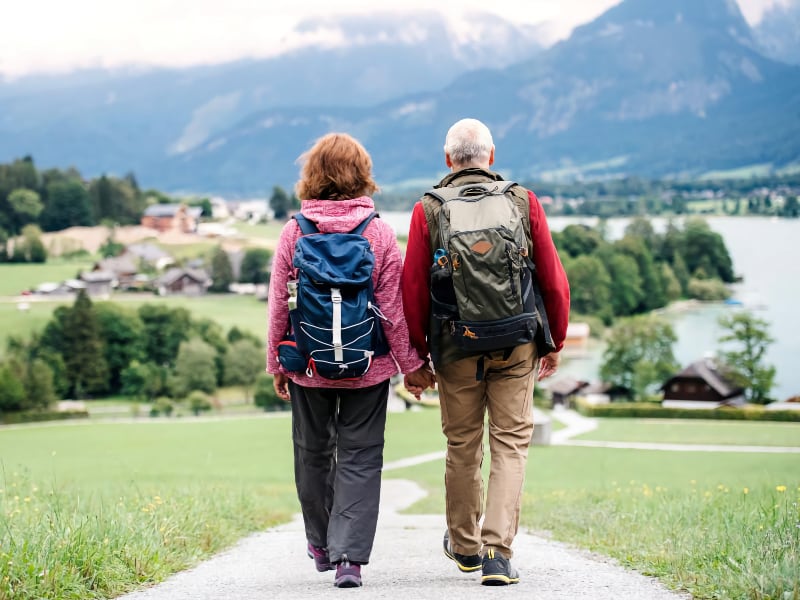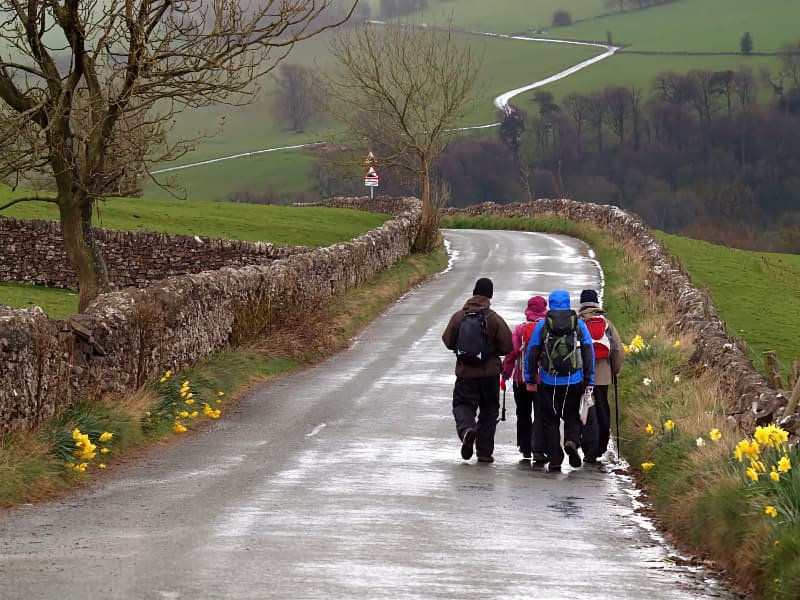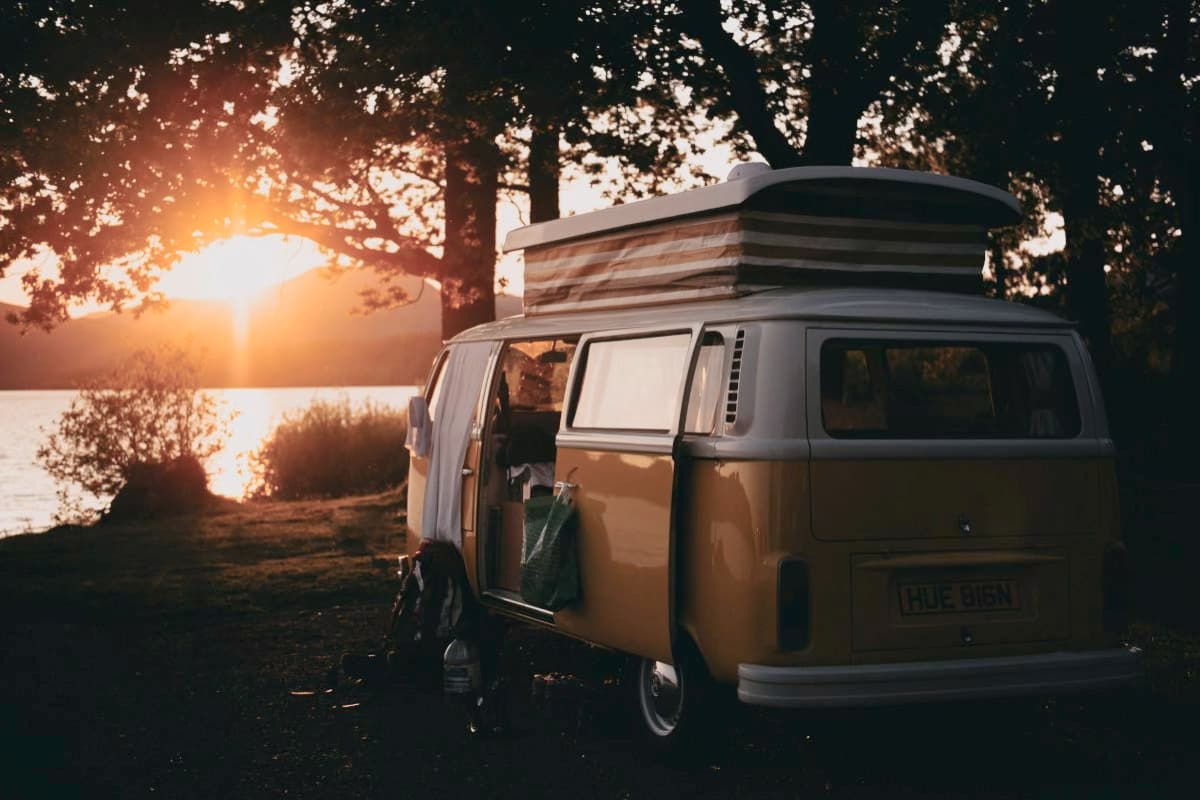
There’s a particular kind of walk that most of us rarely get to do. The one that starts at first light, before the car parks fill and the best viewpoints get busy, when the air is still cool and the path is yours alone. For anyone who loves being outdoors, those early hours are often the finest part of the day. They’re also the part we most often miss.
The reason is usually the journey. A great trail can be two or three hours from home, which means a pre-dawn alarm and a long drive before you’ve taken a single step. By the time you arrive, the morning has moved on and so has half the county. Waking up where you plan to walk changes all of that, and a campervan is one of the simplest ways to do it.
Sleeping where you’ll walk
When you stay close to the start of a route, the walk stops being something you squeeze around a drive. You step out of the door and you’re already there.
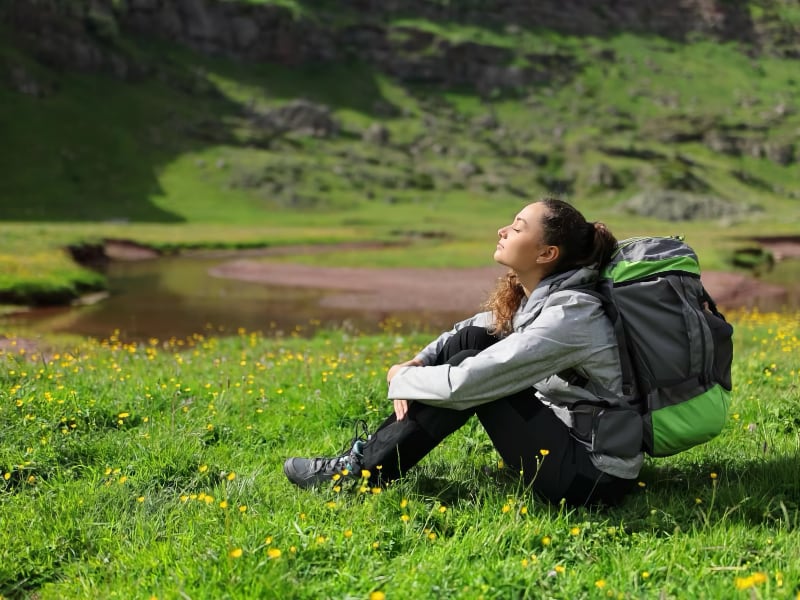
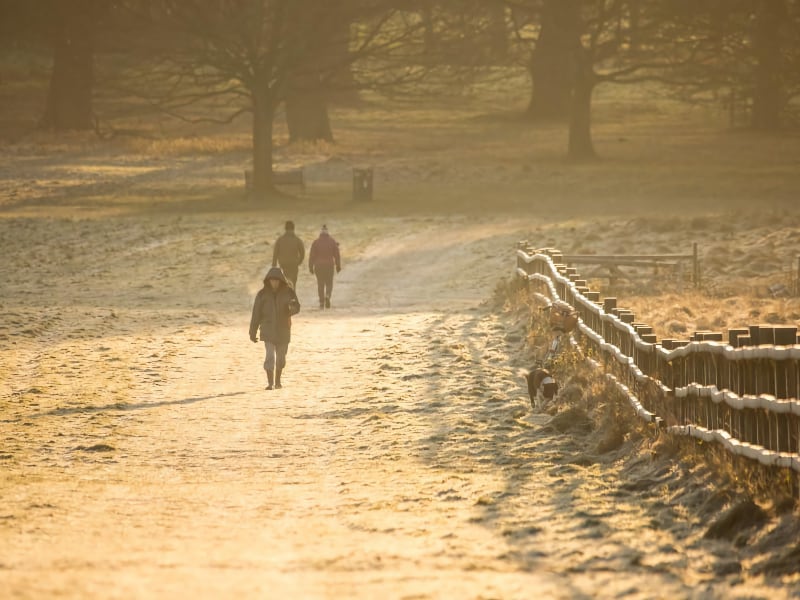
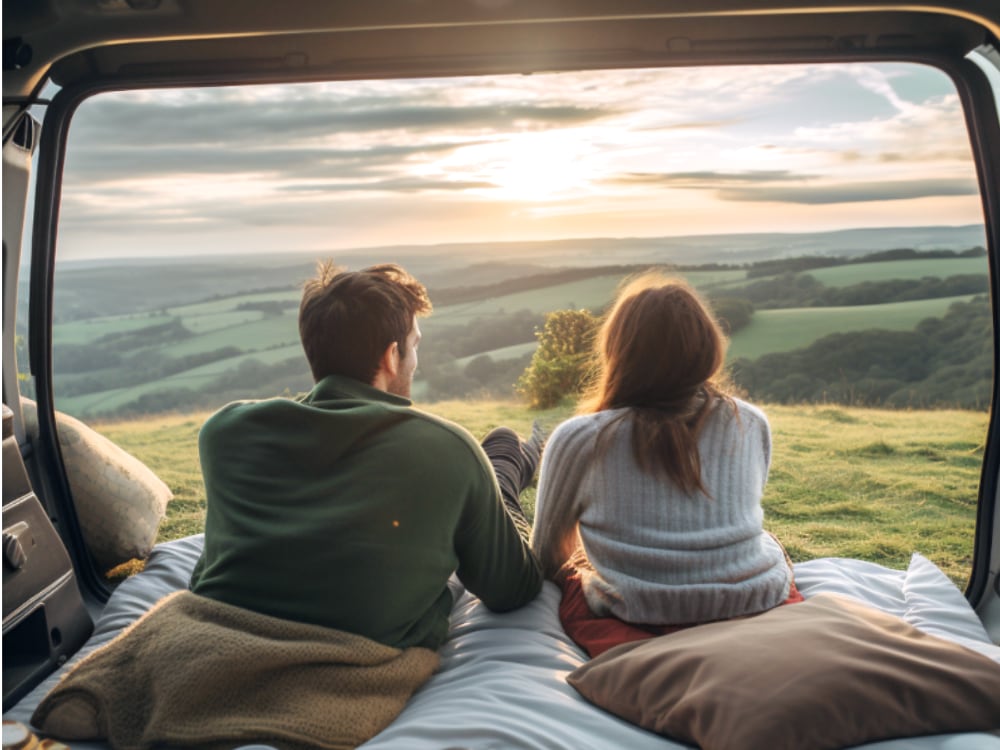
That shift matters more than it sounds. It means you can catch the golden hour at the top of a hill rather than the middle of a motorway, enjoy a slow breakfast with a view, then spend a full day on your feet instead of a rushed afternoon loop. Britain rewards an early arrival almost everywhere, whether the fells of the Lake District or the wide beaches of the Northumberland coast, and most trails are at their quietest in the hour after dawn.
It also removes the usual excuses. There’s no two-hour drive to talk yourself out of, no debate about whether it’s worth setting off. The trail is right there when you wake, and that alone gets you walking on the mornings you might otherwise have stayed in bed.
Reaching the trailhead, wherever it is
A camper widens the map, too. Long-distance trails are some of the finest walking in the country, yet they can be awkward to tackle in day-sized pieces when you live nowhere near them. A little planning makes them manageable, and a good map is where it starts. Ordnance Survey maps remain the gold standard in Britain, on paper or on your phone, and they’re worth checking for parking, access and where a footpath actually meets a road before any unfamiliar route.
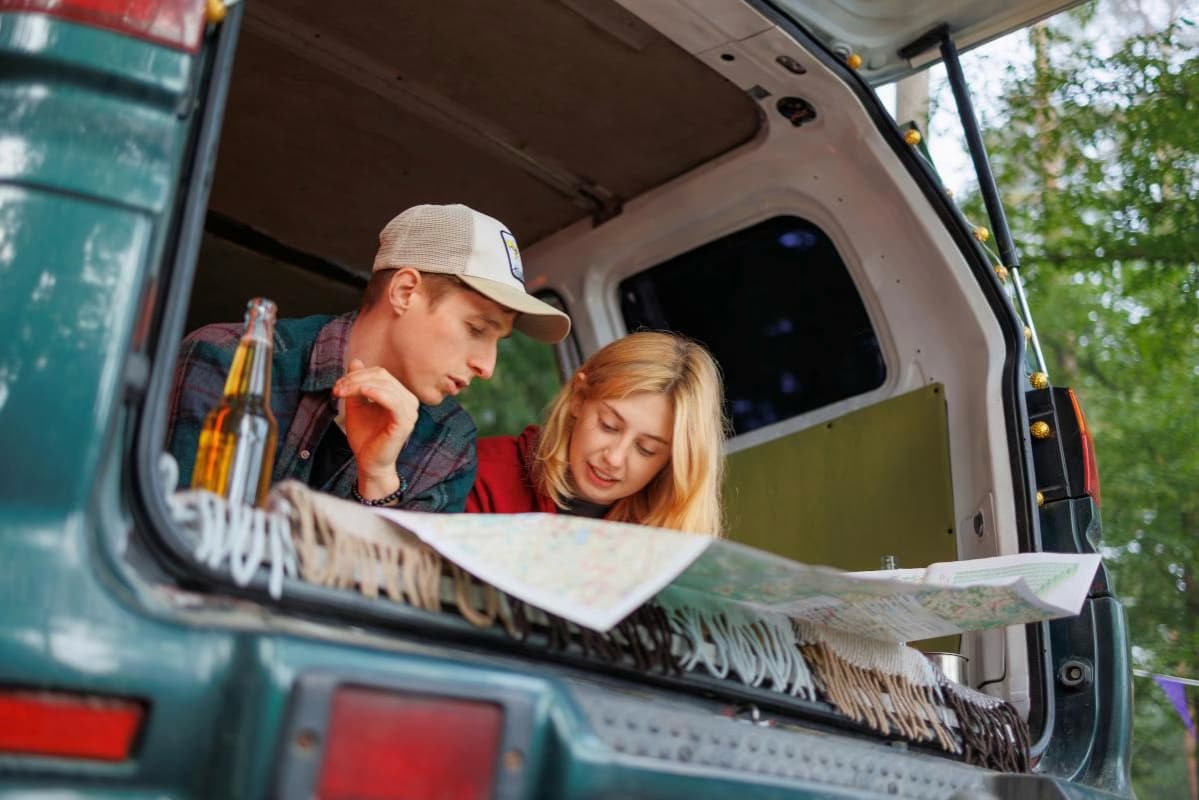
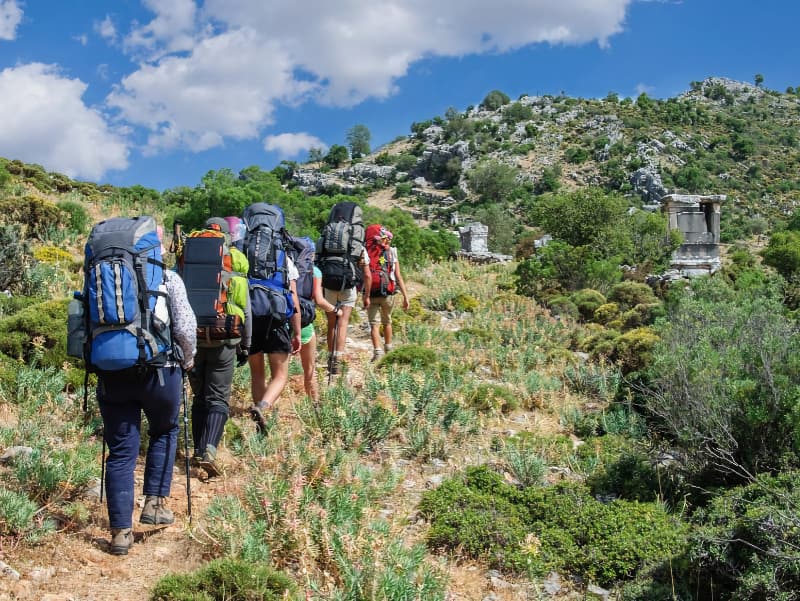
For a bigger adventure like the 870 mile Wales Coast Path, letting your bed travel with you turns a daunting trail into a friendly series of day walks. You move your base along the route each evening and pick up where you left off, one comfortable stretch at a time.
A weekend, done properly
The real luxury is stringing several walks together. Rather than one big effort and a tired drive home, you can wander, rest and wander again, letting the weather decide the order of the day.
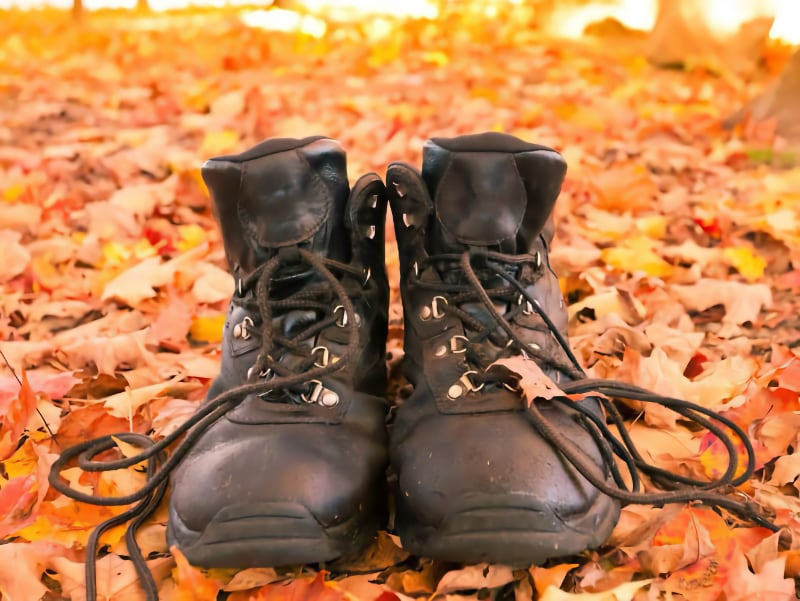
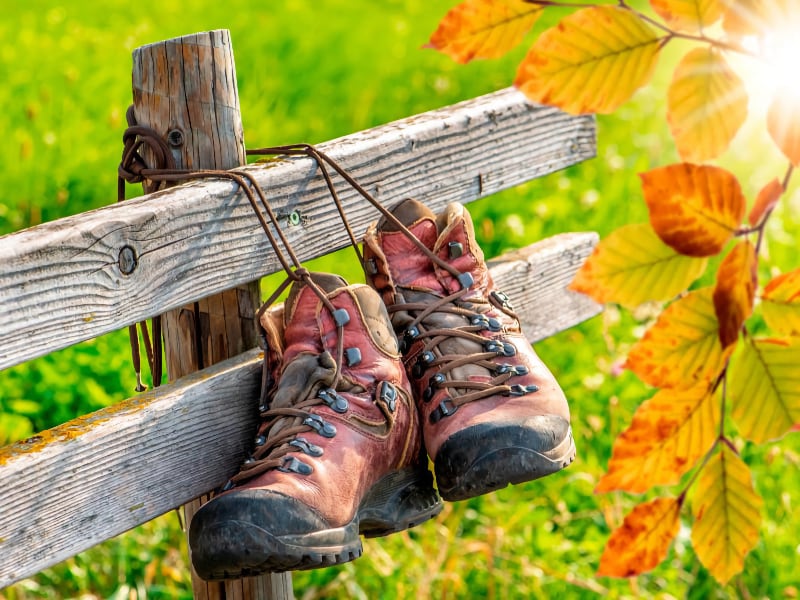
Picture a Friday evening arrival near the trail, a short leg-stretch before dinner, then a proper night’s sleep with the boots by the door. Saturday becomes a full day on the path at your own pace, Sunday a gentler loop before home. No dawn starts, no packing the car twice, just good walking with proper rest on either side of it.
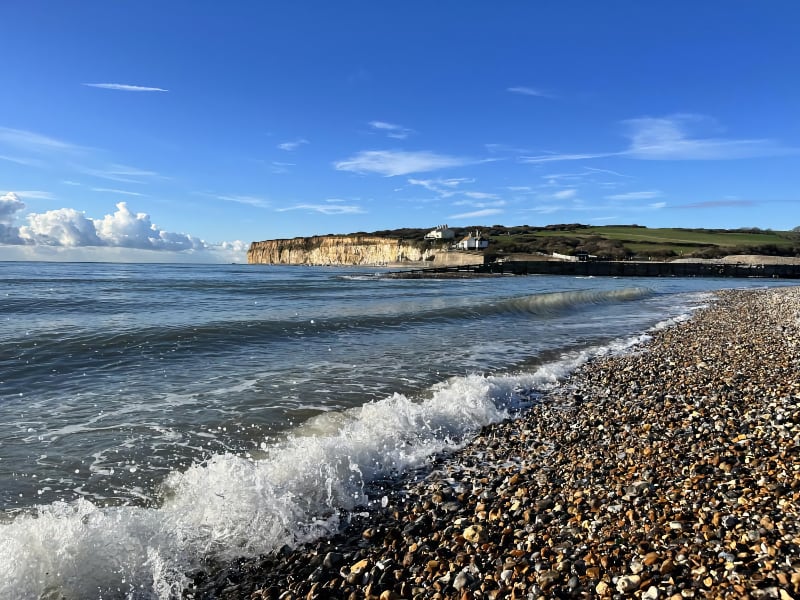
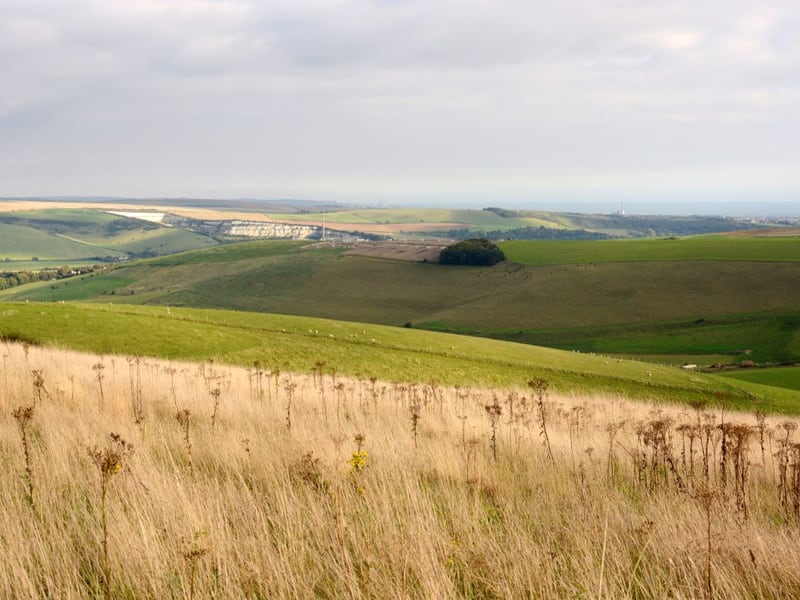
This is where a bit of local knowledge earns its place. If your early starts have been blunted by long journeys, a converted camper puts you on the doorstep of the route the night before, ready to walk at your own pace. The Sussex team at Out and About Campers, who build their vans a short hop from the South Downs, have written about exploring the Sussex coast from a camper, taking in the Seven Sisters and the quiet villages of the Downs along the way. It’s a neat illustration of how a base on wheels lets you treat a whole stretch of countryside as one unhurried trip rather than a handful of separate days out.
What changes when your bed comes along
A few things improve the moment you and your bed travel together. You’re able to:
- Walk in a better light: Sunrise and sunset are yours, not lost to the drive there and back.
- Follow the weather: A clear morning elsewhere is a short move away, not a cancelled plan.
- Rest properly between walks: A hot drink and a real sit-down beat a flask in a lay-by.
- Stay longer: One overnight turns a day trip into a weekend, and a weekend into a small adventure.
The slower reward
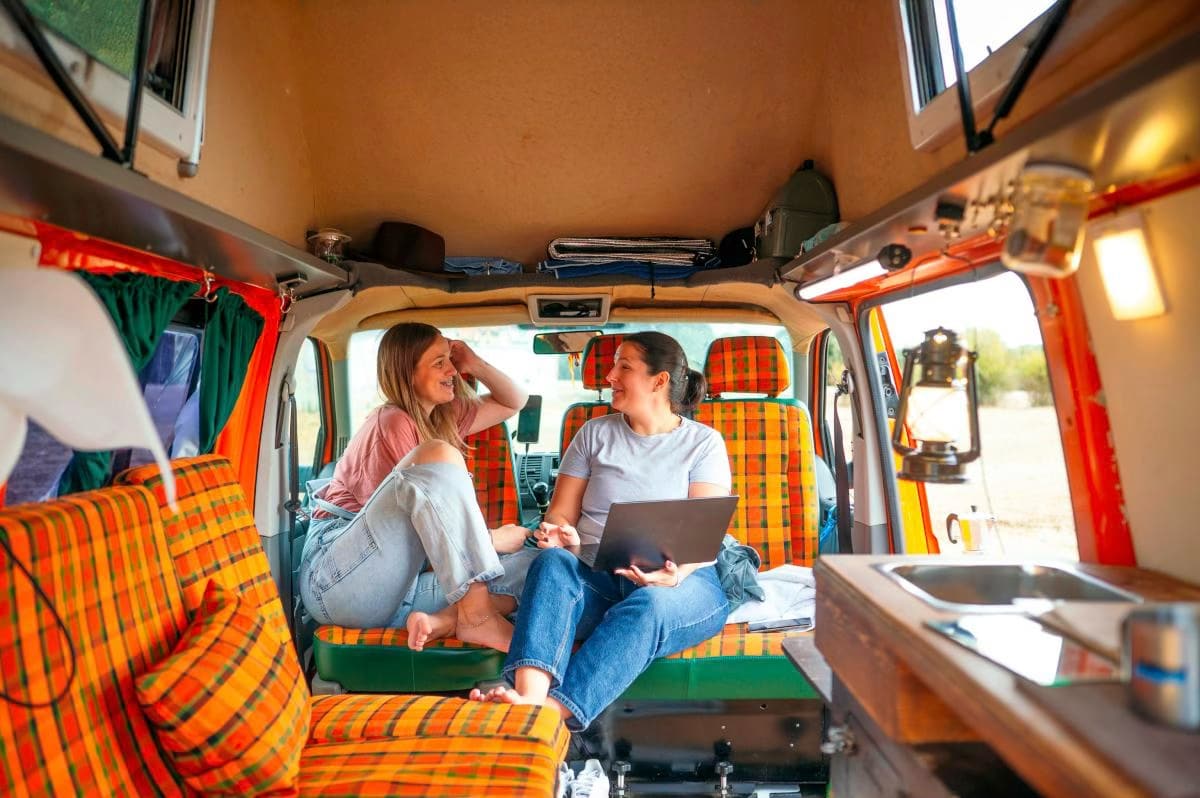
The benefits of walking regularly are well documented, and a camper simply makes it easier to get more of them. Staying overnight in a place, rather than passing through, gives you a different relationship with it. You notice the evening settle and the morning arrive. You hear the birds before the traffic.
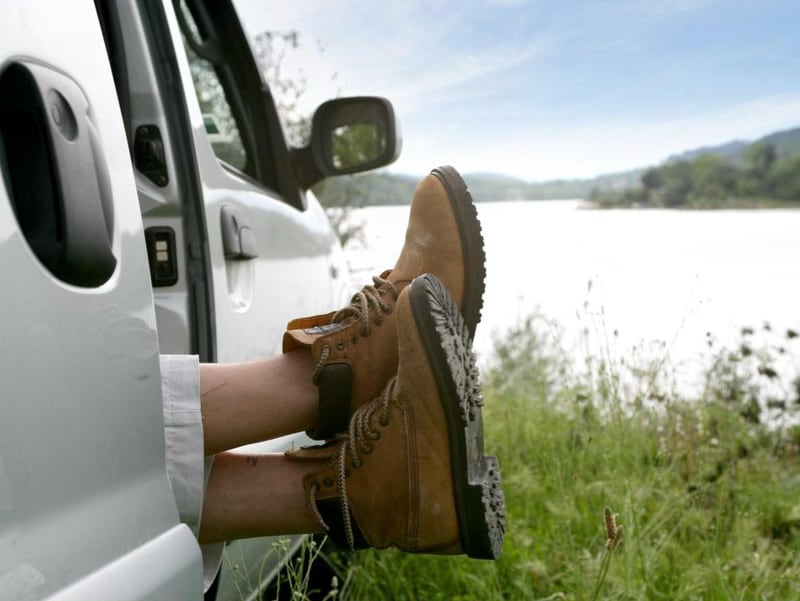
You don’t need to walk for days to feel it. A single overnight near a favourite hill, with an early start and nowhere to rush off to, can lift your mood the way time outdoors reliably does. Comfortable, broken-in boots and a warm layer for cooler evenings make the longer days far more pleasant too.
The point was never really the vehicle. It’s the freedom to put the walk at the heart of the trip, and to wake up already there.
Author: Annie Button