

When you think of Carnival you may conjure up images in your mind of Notting Hill or perhaps Rio de Janeiro. Would you though think of Somerset?
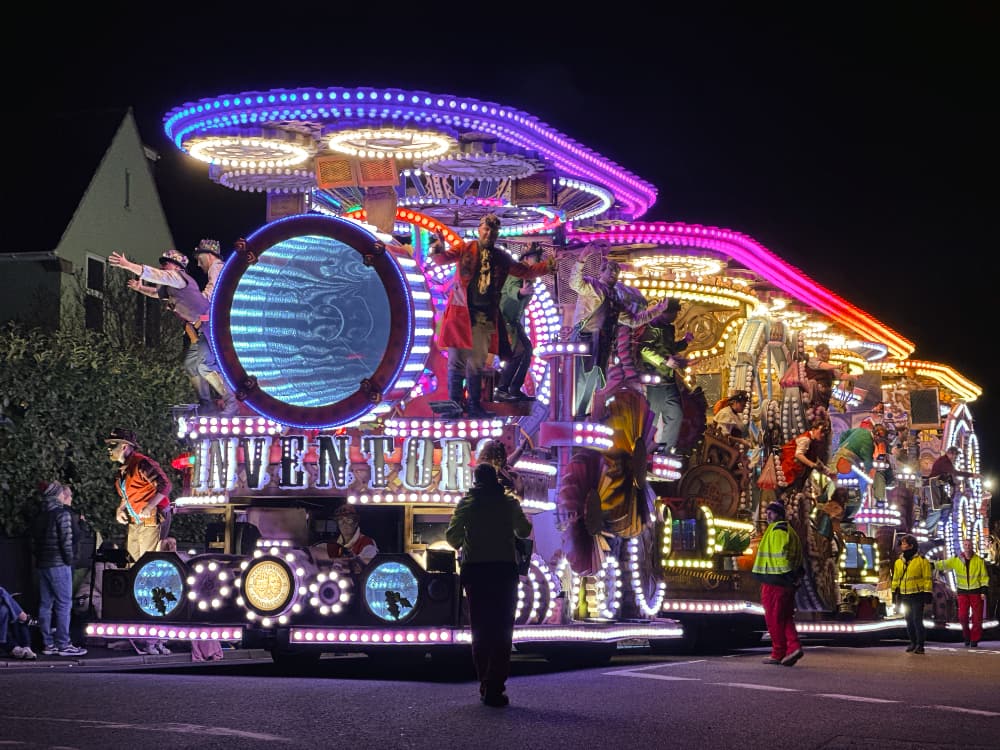
Every Autumn hundreds of thousands of people line the streets of Somerset towns (and some in neighbouring Wiltshire and Dorset) to watch processions of illuminated carts travel through the streets raising money for local charities. The largest carnival is Bridgwater with over 150,000 people turning out to watch the spectacle.
It’s a tradition that dates back over 400 years to the Gunpowder plot of 1605. After Guy Fawkes and his co-conspirators failed in their attempt to blow up the Houses of Parliament, King James I decreed that 5th November should be celebrated annually with the lighting of bonfires. That’s a tradition that has continued today (and Sussex has their own special way of commemorating). In Bridgwater, perhaps because they were staunchly protestant back in those days, celebrated with more vigor than others elsewhere in the country around their bonfires. It wasn’t until 1847 though that there is the first record of a carnival procession through the town – and the Bridgewater Carnival remains the oldest known parade of its kind in the United Kingdom.
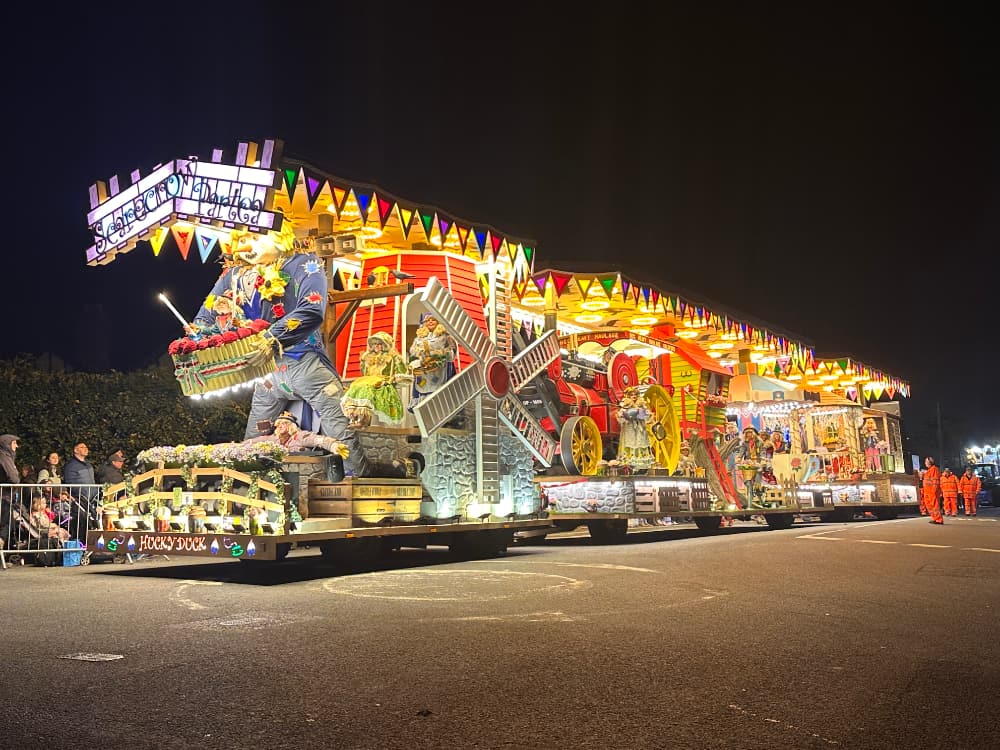
It was in 1880 that the course of the Bridgwater celebrations were changed forever. After an evening that started with its usual merriment, it turned to ill temper and acts of violence which became serious disorder and rioting. The flames of the bonfire were still burning at 1am and the local authorities tried calling time on the 300 revellers who were still out on the streets. The local fire brigade were called to douse the flames – but the angry mob turned on the firemen and chased them through the streets.
In the aftermath of that night, blame was put on various different groups. But it was a local man, Frank Squire, who wrote a letter to the local newspaper suggesting that perhaps the following year a formal committee could be formed and a procession could take place to showcase the magnificent costumes that by then had become part of the festivities. The idea was approved by all sides and in 1881 the first parade took place through the streets of Bridgwater – and it is now considered the home of the Somerset Carnival.
There are now around 30 carnival parades across the West Country – with the most well known being the Guy Fawkes carnivals. They run from the end of September through to late November and are a spectacle worth making a trip for.
The parade includes carnival carts (they’re not called “floats” here) that fall into one of three categories:
- Grand carts – these are the largest and visually stunning creations that include sound and lighting effects and are based on dramatic themes or historic events.
- Comedy carts – these are bright and colourful carts that focus on humour, clever gags and performances rather than special effects.
- Tableau carts – these depict a scene, with performers frozen in character creating a living scene.
In between the carts you’ll also find performers on foot, walking the route. Each carnival is judged and prizes are awarded to the best carts – with a grand winner announced at the end of the season.
Each cart comes from a different Carnival Club from around the county. The work that goes into the carts is nothing short of extraordinary. From when one carnival season is over, the carts are almost immediately dismantled and the work starts straightaway on planning and building the next creation.
As the carts are illuminated, the parades usually start around 7pm. If you’re planning on visiting one – make sure you get to the relevant town early as roads will be closed to allow the procession to pass.
The dates for the 2026 season can be found here.